
Introduction
Multi-cloud analytics is transforming enterprise data strategy. Organizations no longer rely on a single cloud vendor but leverage multiple platforms to maximize flexibility, optimize costs, and improve performance. CTOs, CIOs, and data managers face the challenge of orchestrating data across different providers while maintaining security and consistency.
Mastering multi-cloud environments enables enterprises to prevent vendor lock-in, scale globally, and adopt best-in-class analytics tools without compromise.
Benefits of Multi-Cloud Analytics
- Flexibility to choose the best services for specific workloads
- Disaster recovery and high availability across regions
- Cost optimization by balancing compute and storage resources
- Enhanced performance and latency reduction by placing data closer to end-users
- Improved compliance by hosting data in multiple jurisdictions
Key Challenges
Data Integration Maintaining consistent, clean data across multiple clouds can be complex. Automated ETL pipelines and unified data models help reduce inconsistencies.
Security and Compliance Multi-cloud environments require unified access control, encryption, and monitoring to avoid breaches and comply with regulations.
Cost Management Uncontrolled resource allocation across clouds can lead to overspending. Monitoring tools and tagging strategies are essential for budget management.
Strategies to Master Multi-Cloud Analytics
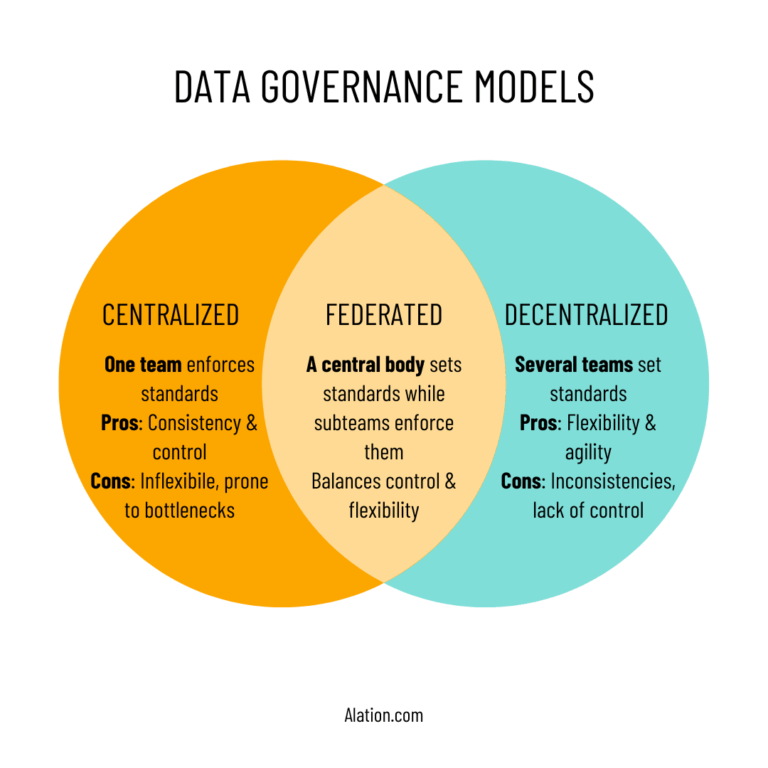
1. Centralized Data Governance Establish policies for data ownership, quality, and access across all clouds.
2. Unified Analytics Platforms Use platforms that integrate multiple cloud sources seamlessly, enabling dashboards and reporting without manual intervention.
3. Automation and Orchestration Automate pipeline deployment, monitoring, and scaling to reduce human errors and operational overhead.
4. Cloud-Agnostic Tools Adopt analytics and BI tools that operate across AWS, Azure, and Google Cloud to prevent vendor dependency.
5. Performance Monitoring Implement real-time performance monitoring and anomaly detection to quickly identify and fix bottlenecks.
Best Practices
- Start with hybrid pilot projects before full multi-cloud adoption
- Use containerization for portability and consistency
- Regularly review security and compliance posture
- Optimize resource allocation continuously
- Train teams on cross-cloud workflows and governance
Frequently Asked Questions
Can multi-cloud analytics increase complexity? Yes, but proper governance, automation, and unified platforms mitigate complexity.
Which industries benefit most? Global enterprises with distributed operations, financial services, e-commerce, and AI-heavy workloads.
Is multi-cloud more expensive than single cloud? Not necessarily. Cost optimization tools and strategic resource allocation can result in comparable or lower costs.
Conclusion
Multi-cloud analytics is no longer optional for forward-looking enterprises. When properly managed, it provides unmatched flexibility, resilience, and performance. Enterprises that master multi-cloud environments gain a competitive edge by leveraging the strengths of multiple platforms without compromise.
Call to Action
Take control of your multi-cloud analytics strategy. Visit https://dataguruanalytics.org/data-infrastructure-consulting to design and optimize your multi-cloud environment today.