

Introduction
Data is now regulated as tightly as finance and intellectual property. Governments, trade bodies and industry frameworks impose standards on how enterprises collect, store, process and share information. The cost of violating these regulations is far greater than a fine. Poor data compliance management destroys trust, blocks international expansion and invites legal scrutiny that can erase years of growth.
Executives who assume compliance is a technical matter are mistaken. Legal exposure now begins at the board level. Every C suite leader must understand how data is governed and how risk multiplies when compliance is treated as optional.
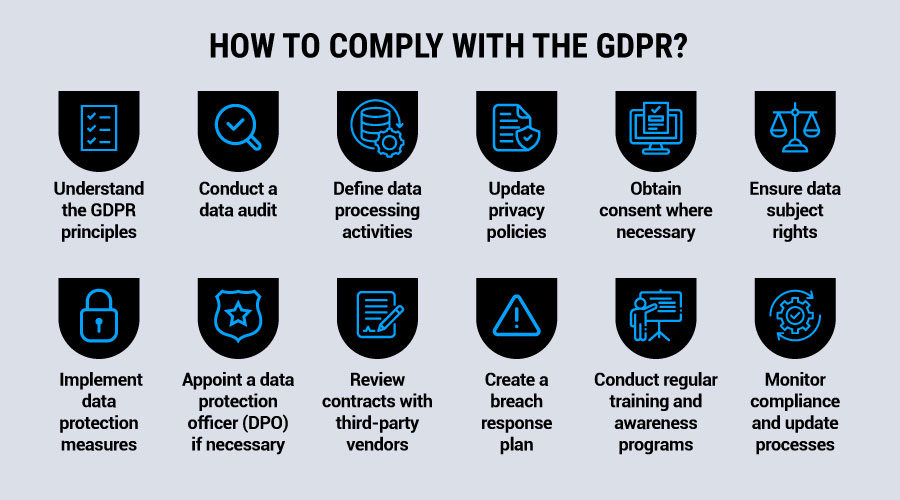
Why Data Compliance Matters
Compliance regulations are designed to protect consumers, partners and national interests. They determine what your company can do with customer information, how long it can keep it, who can access it and how fast you must report breaches.
Ignoring compliance exposes enterprises to
- Financial penalties that compound yearly
- Restrictions on operating in certain regions
- Mandatory audits and operational downtime
- Civil or criminal liability for executives
- Loss of customer trust and investor confidence
Compliance is not an obstacle. It is an insurance policy against catastrophic risk.
The Real Cost of Violating Compliance Laws
Most executives only see fines, but the consequences are far broader and harder to recover from.
1. Direct Financial Penalties
GDPR fines can reach up to 4 percent of global annual revenue. California’s CCPA imposes damages per affected consumer. Other regions apply recurring penalties until violations are corrected.
2. Enterprise Disruption
Investigations force companies to freeze operations. Projects slow. Hiring pauses. Legal departments centralize decisions. Innovation stops.
3. Litigation and Settlements
Data breaches often trigger class action lawsuits. Settlements drain cash reserves and stall acquisitions or IPOs.
4. Leadership Accountability
Boards demand resignations. Executives responsible for data mishandling face dismissal or personal liability.
5. Strategic Reputation Damage
Trust once lost does not return easily. Partnerships disappear and regulators monitor every move for years.
The Global Regulatory Landscape
Compliance regimes are expanding, not shrinking. Executives must understand the frameworks that shape global business.
GDPR Europe
Protects personal data of EU residents regardless of where it is processed.
CCPA California
Grants consumers control over how companies collect and sell their data.
HIPAA United States
Regulates sensitive medical and health related information.
PIPEDA Canada
Defines how companies manage personal information in commercial activities.
PDPA Asia
Singapore, Thailand and other regions establish strict rules for consent and disclosure.
Modern enterprises must treat these as strategic boundaries, not temporary hurdles.
Compliance Is Not Checkboxes
A sustainable compliance strategy goes beyond policies stored in folders. It is a living system that governs behavior, security, access and culture.
Executives must ensure compliance is embedded in
- Data collection practices
- Vendor agreements and procurement
- Cloud storage and cross border transfers
- Customer communication and consent
- Analytics pipelines and AI model training
If compliance is not built into the business model, it becomes an expensive emergency reaction.
Architecture Is the Key to Compliance
Technology choices directly affect legal exposure.
Poor architecture leads to gaps regulators exploit.
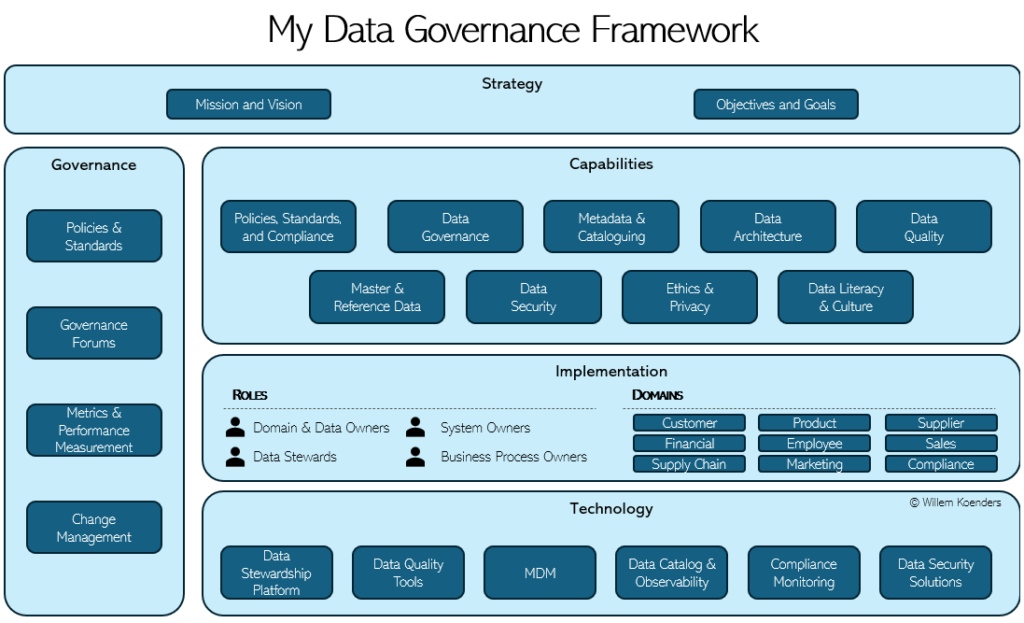
Centralized audit trails
Logs must show who accessed what and why.
Segmentation of sensitive data
Customer, financial and health data must be isolated, not blended into generic pipelines.
Role based access
Executives, analysts and engineers should not share the same privileges.
Encryption everywhere
Data in motion and at rest must be protected, not just stored behind passwords.
Retention limits
Keeping unnecessary data increases liability. Compliant architectures delete what is not needed.
Executives can explore modernization and compliance ready architecture at
https://dataguruanalytics.org/data-infrastructure-consulting
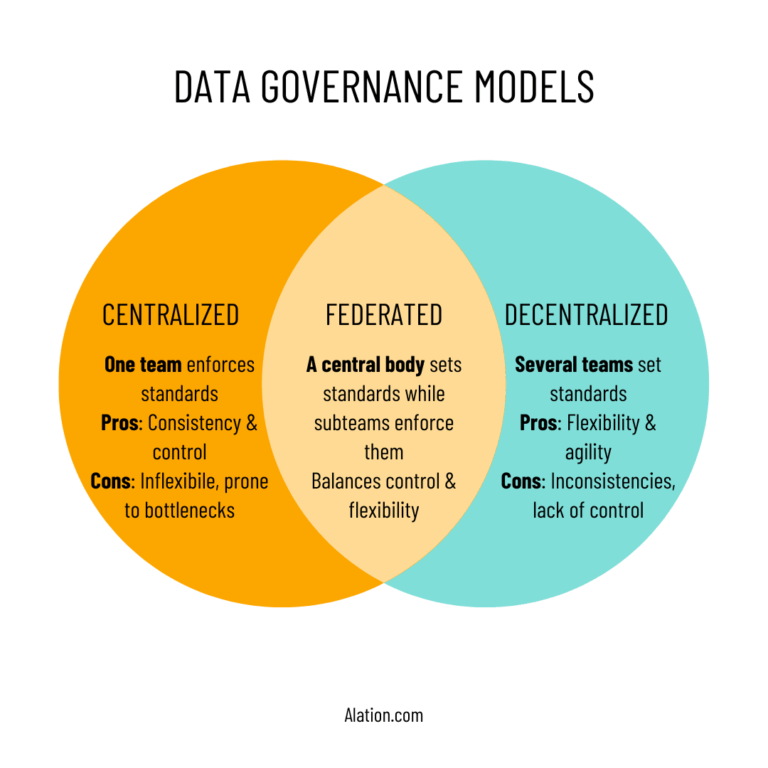
Governance Protects the Business
Weak governance creates three dangerous patterns
- Shadow IT and rogue spreadsheets
- Conflicting metrics across departments
- Untracked movement of personal data
Governance prevents these failures. It sets rules for how data is defined, shared and interpreted.
Effective governance includes
- Data ownership roles for each business unit
- Mandatory quality standards
- Access control for sensitive datasets
- Versioning and lineage visibility
- Ethical use principles for analytics and AI
Explore validation and quality programs at
https://dataguruanalytics.org/data-quality-validation-solutions
AI and Compliance
Artificial intelligence amplifies regulatory risk.
If training data is biased, unlicensed or improperly harvested, companies face ethical violations and legal bans.
AI driven ecosystems must
- Validate training datasets
- Document model decisions
- Preserve audit trails
- Provide explainability for regulated industries
Ignoring this increases exposure faster than conventional analytics.
Case Studies in Compliance Failure
High profile compliance breaches have erased billions in market value.
Companies lost access to European customers and were forced to halt cross border operations.
Several digital platforms experienced mass user abandonment after mishandling personal information.
The cost was not the fine. It was the collapse of trust.
Frequently Asked Questions
Is compliance only for large enterprises
No. Small companies face the same regulatory boundaries. They simply experience failure faster due to limited resources.
Does cloud storage guarantee compliance
No. Compliance depends on architecture, governance, retention and access, not where the server sits.
Can legal risk be fully eliminated
It can be minimized. Enterprises with strong data compliance management reduce exposure dramatically and maintain operational stability.
Conclusion
Ignoring compliance is not a mistake. It is a business threat. Enterprises that treat compliance as an afterthought pay more in penalties, disruption and reputation damage than those who design compliance into their infrastructure from day one. Sustainable data ecosystems protect leadership, accelerate growth and keep the organization eligible for global markets.
Call to Action
Build a compliance ready data ecosystem designed for resilience and trust. Begin with expert infrastructure planning at https://dataguruanalytics.org/data-infrastructure-consulting and safeguard your enterprise from legal and operational risk.