

Introduction
A data first culture is not about tools. It is about mindset. Enterprises that treat data as a strategic asset outperform those that use analytics only when convenient. When every team makes decisions based on evidence rather than habit opinion or hierarchy the organization becomes faster more consistent and more competitive.
Creating a data driven culture requires leadership intention incentives and a structure that makes high quality data accessible to everyone.
What Is a Data First Culture
A data first culture means employees at all levels use data to support or challenge decisions. This includes executives setting targets based on evidence managers reviewing performance with metrics and teams running experiments to improve outcomes. Decisions are documented tracked and measured.
In a data first environment individuals do not rely on intuition alone. They start with data interpret it and then act.
Why Culture Matters More Than Technology
Technology can be purchased but cultural change must be built. Even the best analytics tools fail when staff do not trust them or do not understand how to use them. Culture ensures that data insights influence real action.
Benefits include
- Faster decision cycles
- Clear accountability
- Reduced conflict driven by opinions
- Better adoption of analytics tools
- Higher performance predictability
Leadership Sets the Tone
Executives must model the behavior they want to see. When leaders ask for data before approving budgets strategies or campaigns teams follow. Leadership should share dashboards openly communicate analytics outcomes and celebrate data driven wins.
Make Data Accessible
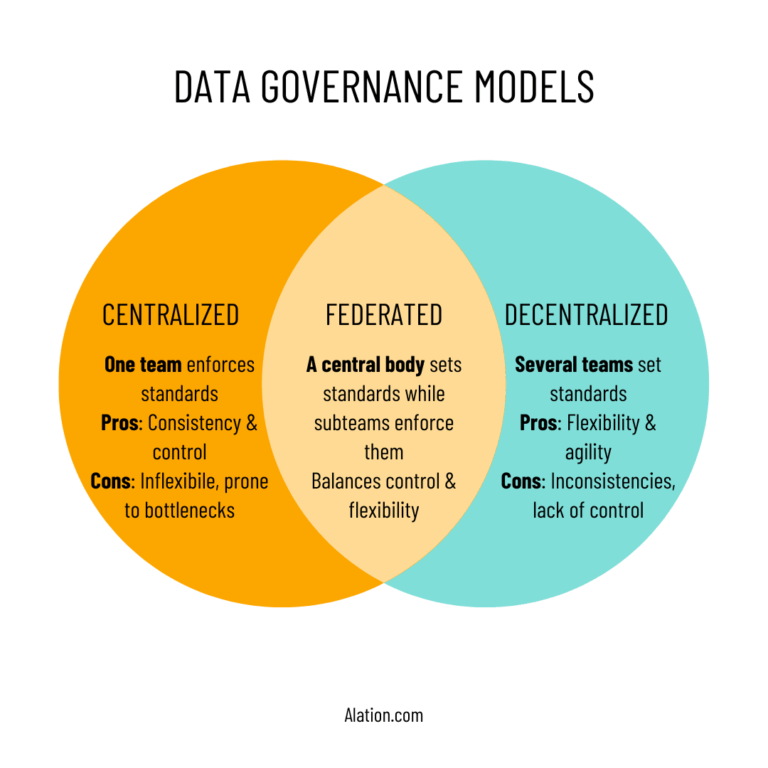
A culture cannot be data first if information lives in silos. Organizations should centralize data or use a lakehouse model and provide dashboards to non technical departments. Employees need to see performance metrics without waiting for analysts.
Examples of accessible tools include Power BI Looker and internal KPI portals.
Train Teams to Use Analytics
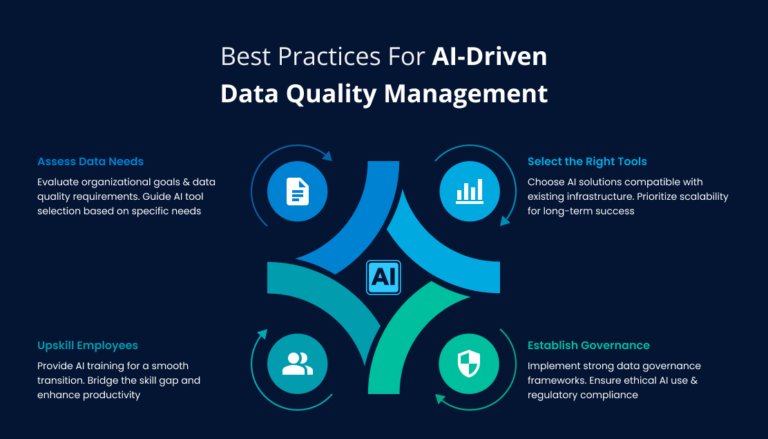
Analytics literacy is as important as financial literacy. Staff should learn how to read charts interpret trends and run small experiments. Workshops internal courses and documentation help employees develop confidence.
Reward Evidence Based Thinking
Cultural change accelerates when incentives support it. Recognize teams that run data experiments deliver measurable outcomes or challenge assumptions with clear evidence.
Avoid Common Pitfalls
- Overcomplicating dashboards
- Hiding metrics from non technical teams
- Rewarding intuition more than results
- Treating data as an IT department asset only
Frequently Asked Questions
How long does cultural adoption take Six to eighteen months depending on company size leadership alignment and training availability.
What if employees resist analytics Start small show simple wins and provide education instead of forcing compliance.
Does a data first culture require expensive software No. Accessibility and habits matter more than premium tools.
Conclusion
A data first culture transforms how organizations operate. When teams ask for evidence over opinion decisions become faster fairer and more profitable. Data stops being a report and becomes the foundation of every action.
Call to Action
Build a culture where every decision is informed. Visit https://dataguruanalytics.org/data-infrastructure-consulting to transform your organization into a data driven enterprise.