

Introduction
Data accuracy is no longer a technical concern reserved for analysts. It is now a boardroom issue tied to profit survival and long term growth. In 2025 every enterprise decision relies on data forecasts pricing supply chain planning and customer engagement all depend on information being correct. When accuracy drops every strategic move becomes guesswork.
Organizations that underestimate the importance of data accuracy are already losing revenue credibility and competitive positioning. Those that invest in accuracy are widening the gap and becoming faster more resilient and more profitable.
Why Data Accuracy Matters
Accurate data supports
- Reliable executive decision making
- Effective automation and AI model performance
- Accurate forecasting and risk prediction
- Personalized customer experiences
- Compliance with audit and regulatory standards
Inaccurate data causes
- Wrong insights and failed strategies
- Wasted marketing and operational budgets
- Customer mistrust and brand damage
- Fraud detection failures and compliance penalties
The Real Cost of Inaccurate Data
According to global research inaccurate data costs large enterprises millions yearly through decision delays product failures and incorrect reporting. The impact multiplies as companies adopt AI models that fully depend on clean accurate datasets.
Executives may not see the decay immediately but the losses accumulate silently through wrong assumptions and broken metrics.
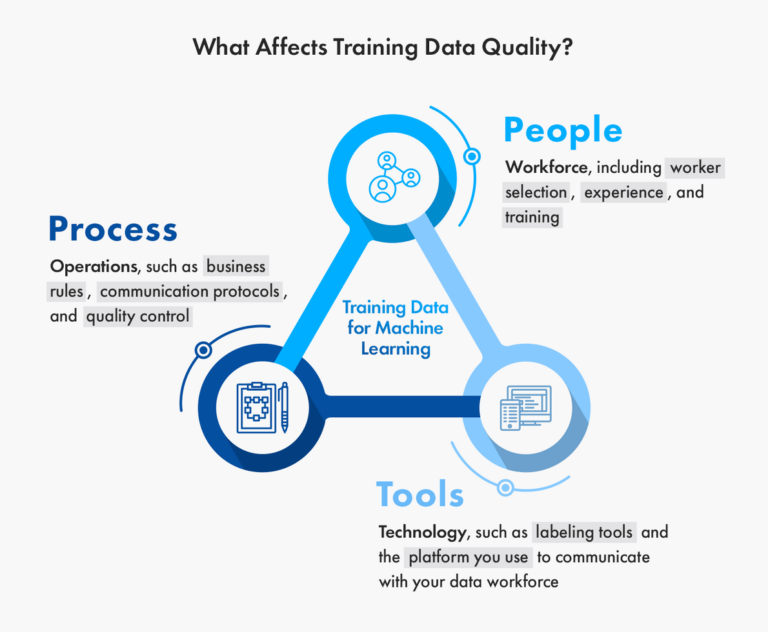
Common Causes of Poor Data Accuracy
- Manual entry without validation checks
- Lack of standardized data definitions
- Siloed systems operating with conflicting datasets
- Outdated pipelines with no freshness controls
- Missing governance and quality ownership
How to Measure Data Accuracy
Enterprises should track
- Data error rate
- Percentage of complete records
- Frequency of conflicting numbers across reports
- Time gap between data capture and reporting
Modern BI platforms allow automated quality scoring and anomaly detection.
Strategies to Improve Accuracy
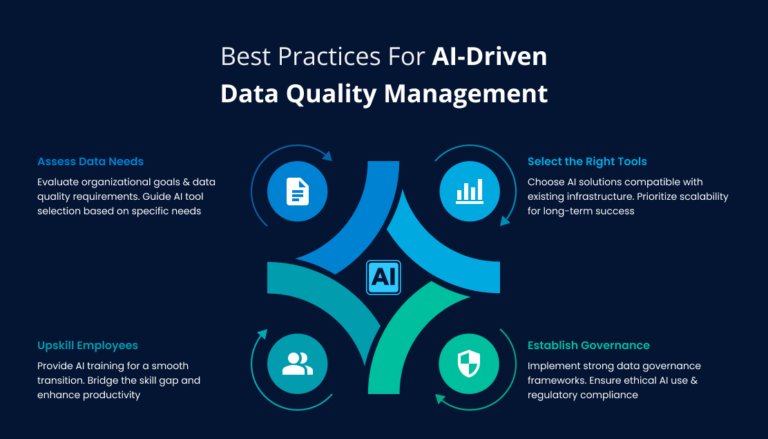
1. Automate Data Validation Use quality rules and machine learning to detect inconsistent or incomplete values.
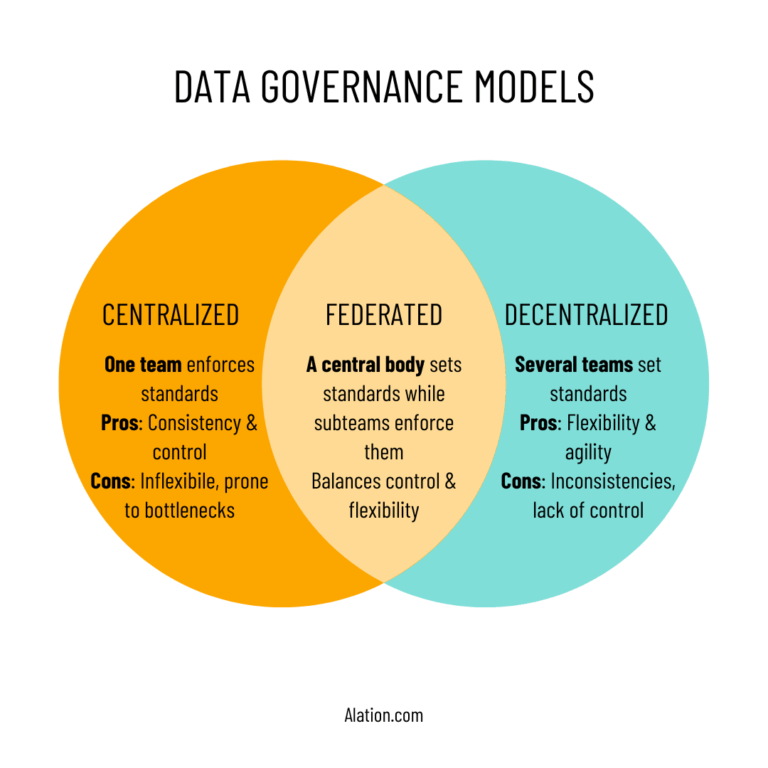
2. Unify Data Sources Move toward a centralized or lakehouse environment to eliminate conflicting versions of truth.
3. Adopt Governance Frameworks Assign data owners enforce definitions and require documentation.
4. Modernize Pipelines Real time ingestion and structured processing reduce accuracy decay.
5. Conduct Routine Accuracy Audits Schedule quarterly audits and automate reporting for visibility.
Business Survival and Data Accuracy
Organizations with accurate data
- Make faster decisions
- Maintain stronger customer trust
- Forecast demand correctly
- Build reliable automation and AI models
As markets become more competitive the companies with the cleanest most accurate data will dominate.
Frequently Asked Questions
How often should enterprises measure data accuracy Accuracy should be monitored continuously and reported monthly at a minimum.
Does cloud migration improve data accuracy Only if pipelines validation and governance are built correctly.
Can AI detect inaccurate data automatically Yes. Machine learning models can detect anomalies duplicate patterns and inconsistent values.
Conclusion
Data accuracy determines whether enterprise analytics becomes a competitive advantage or a silent liability. Companies that prioritize accuracy will lead their industries while those who ignore it will fall behind.
Call to Action
Enhance your data accuracy and governance. Visit https://dataguruanalytics.org/data-quality-validation-solutions to strengthen your enterprise data foundation today.