

Introduction
Data loses value every second it becomes outdated. In a world where markets change daily and customer behavior shifts in real time using stale data is one of the most expensive hidden risks in enterprise analytics. Executives analysts and data consultants often overlook how quietly stale data accumulates and how deeply it affects every major decision.
Stale data produces confident decisions based on inaccurate realities. It slows teams down creates reporting conflicts and exposes companies to financial and strategic failures that could have been avoided.
What Is Stale Data
Stale data is information that is no longer accurate relevant or timely enough for decision making. Even if the data was valid at the time of capture it becomes a liability when used beyond its useful window.
Common causes include
- Manual data entry delays
- Outdated data warehouses
- Integration failures between internal systems
- Lack of real time synchronization
- Long extraction cycles where data is refreshed monthly instead of continuously
The Real Cost of Stale Data
Poor Decision Making Leaders end up making strategic decisions based on outdated models forecasts and customer insights.
Financial Losses Pricing mistakes forecasting errors and mistargeted campaigns increase operational costs and reduce revenue.
Customer Experience Damage Personalization fails when the data used to tailor experiences is no longer valid.
Operational Inefficiency Teams spend more time cleaning and reconciling conflicting reports than generating insights.
Reputational Risk Incorrect analytics reports destroy confidence among investors teams and customers.
According to Gartner poor data quality costs enterprises an average of 12.9 million dollars per year proving that inaction is extremely expensive.
How to Detect Stale Data Early
- Multiple versions of the same metric across departments
- Predictive models losing accuracy over time
- Frequent manual corrections in dashboards
- Delays between data capture and reporting
Continuous monitoring is essential. Any noticeable drop in analytical output or dashboard reliability is a warning sign.
Strategies to Eliminate Stale Data
Implement Real Time Pipelines Replace batch refresh cycles with streaming data and API based ingestion.
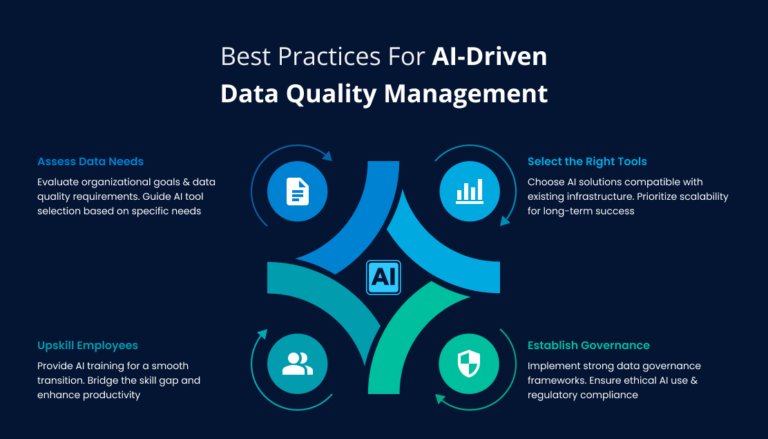
Automate Validation AI powered validation tools detect anomalies missing values and outdated records before data reaches dashboards.
Run Regular Audits Quarterly quality audits help identify lagging systems and datasets.
Adopt Cloud Integration Cloud platforms provide scalable ways to keep data synced across applications.
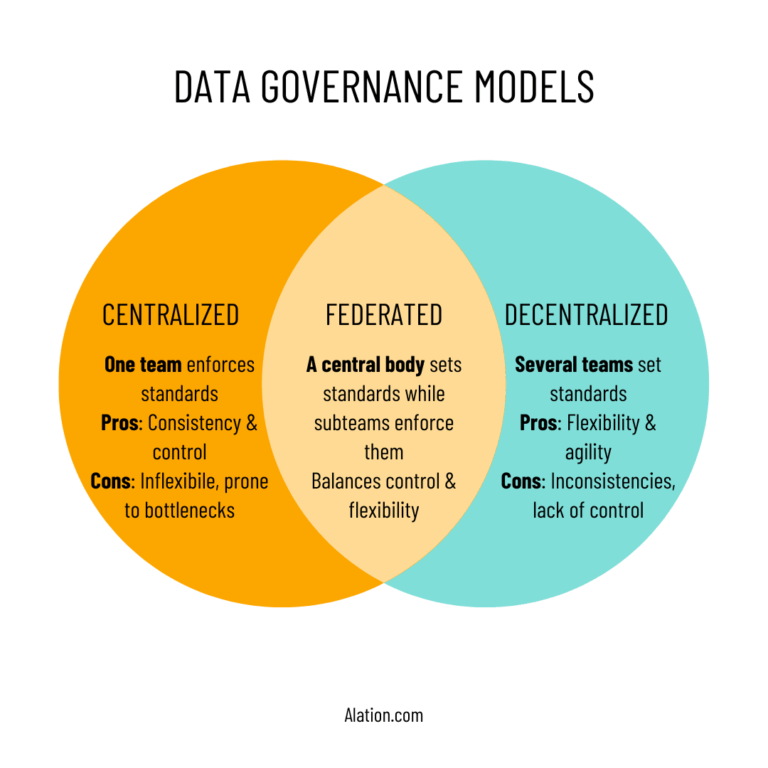
Establish Data Governance Define ownership rules update policies and review cycles.
Why Fresh Data Drives Competitive Advantage
Enterprises using fresh data
- Make faster and more accurate decisions
- Maintain higher customer engagement
- Train better AI and predictive models
- Reduce operational costs caused by rework and clean up
Data freshness is no longer a technical function it is a competitive advantage.
Frequently Asked Questions
How often should we refresh enterprise data Real time or hourly if possible. Daily updates are the bare minimum for competitive enterprises.
Which tools help prevent stale data Use modern ETL automation platforms and real time BI dashboards.
How do we measure data freshness Track ingestion delay pipeline run frequency and data age metrics.
Conclusion
Stale data does not announce itself. It slowly weakens every decision forecast and customer interaction. Organizations that actively prevent data decay remain faster more adaptive and more profitable.
Call to Action
Protect your analytics from silent failure. Visit https://dataguruanalytics.org/data-quality-validation-solutions to upgrade your enterprise data freshness and quality controls today.