
Introduction
Global supply chains have become more complex, interconnected, and vulnerable than ever before. Disruptions caused by geopolitical events, demand volatility, logistics delays, and supplier instability expose the limits of traditional planning tools. Static reports and historical averages no longer provide the speed or accuracy required to operate at scale.
AI in supply chain analytics is transforming how enterprises anticipate risk, optimize operations, and respond in real time. By combining machine learning with large volumes of operational data, organizations move from reactive firefighting to predictive and adaptive supply chain management.
Why Traditional Supply Chain Analytics Falls Short
Conventional supply chain analytics relies heavily on historical data and manual planning cycles. While useful for reporting, this approach struggles in dynamic environments.
Limitations include
- Slow reaction to demand changes
- Inability to detect early disruption signals
- Manual scenario planning
- Limited visibility across suppliers and regions
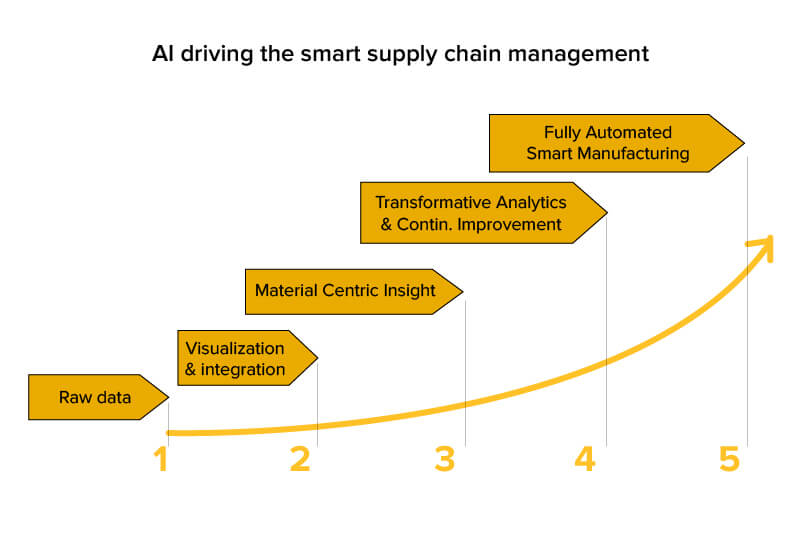
As supply chains globalize, these weaknesses become costly. AI addresses these gaps by learning patterns and adapting continuously.
How AI Changes Supply Chain Analytics
AI introduces intelligence, speed, and adaptability into supply chain decision making.
Key capabilities include
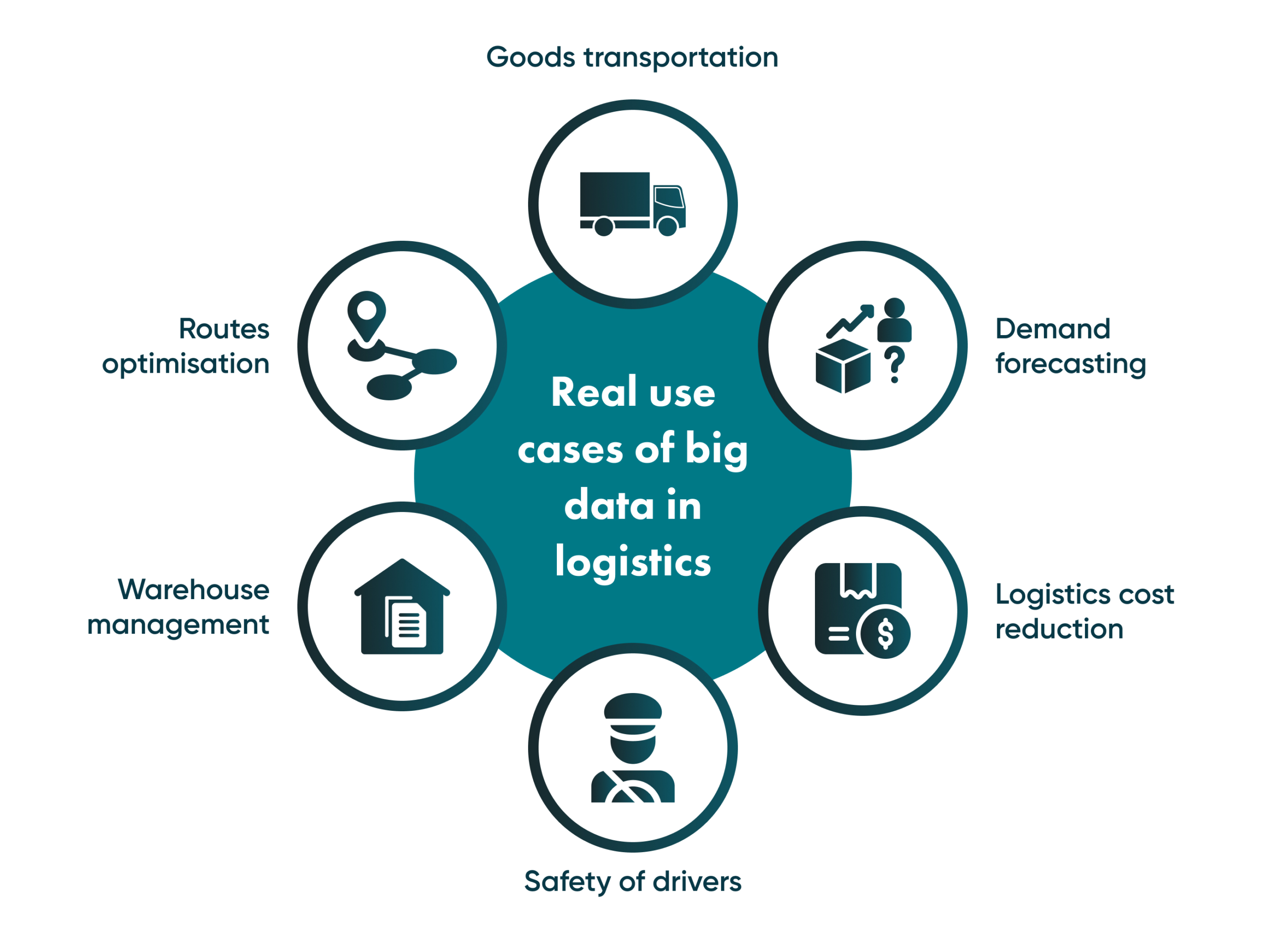
- Predictive demand forecasting
- Real time risk detection
- Automated inventory optimization
- Dynamic routing and logistics planning
- Supplier performance scoring
Instead of relying on static assumptions, AI-driven analytics evolves with every new data point.
Predictive Demand Forecasting
One of the most impactful uses of AI in supply chain analytics is demand forecasting.
Machine learning models analyze
- Historical sales data
- Seasonal trends
- Market signals
- Promotions and pricing
- External factors such as weather or economic indicators
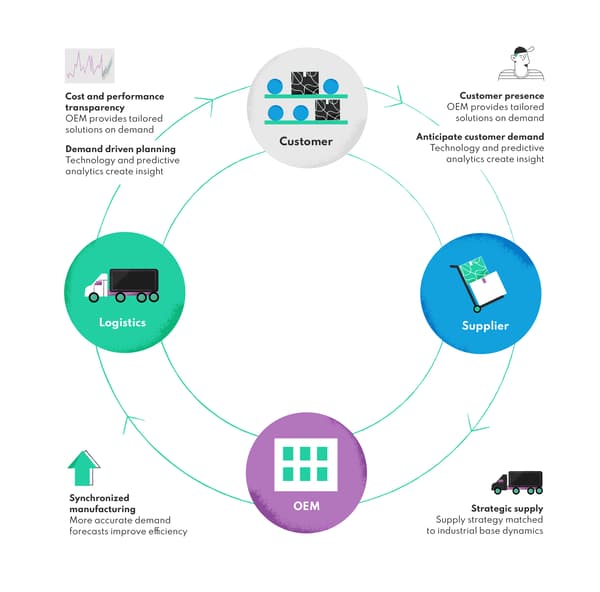
The result is more accurate forecasts that reduce stockouts, overstocking, and emergency procurement.
Inventory Optimization at Scale
AI-driven inventory analytics balance cost and availability more effectively than rule-based systems.
Benefits include
- Reduced holding costs
- Improved service levels
- Optimized safety stock
- Better allocation across regions
AI systems continuously adjust inventory policies as conditions change.
Risk Detection and Disruption Management
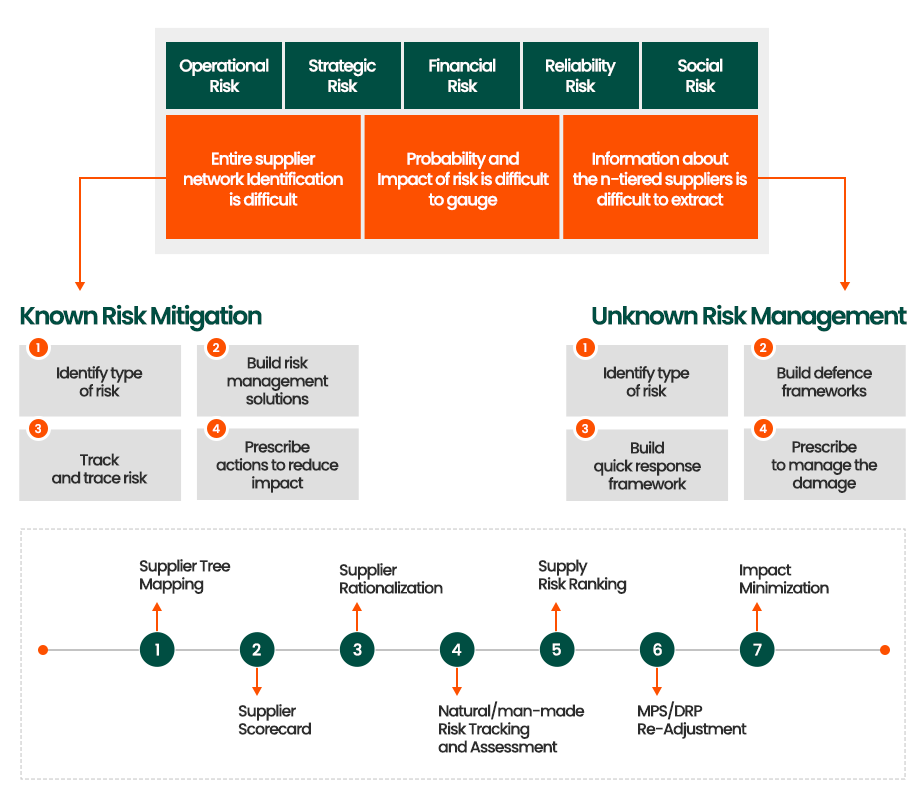
AI enables early detection of supply chain disruptions by monitoring signals across the ecosystem.
These signals include
- Supplier delays
- Transportation bottlenecks
- Demand anomalies
- External news and alerts
By identifying risks early, enterprises gain time to respond before disruptions escalate.
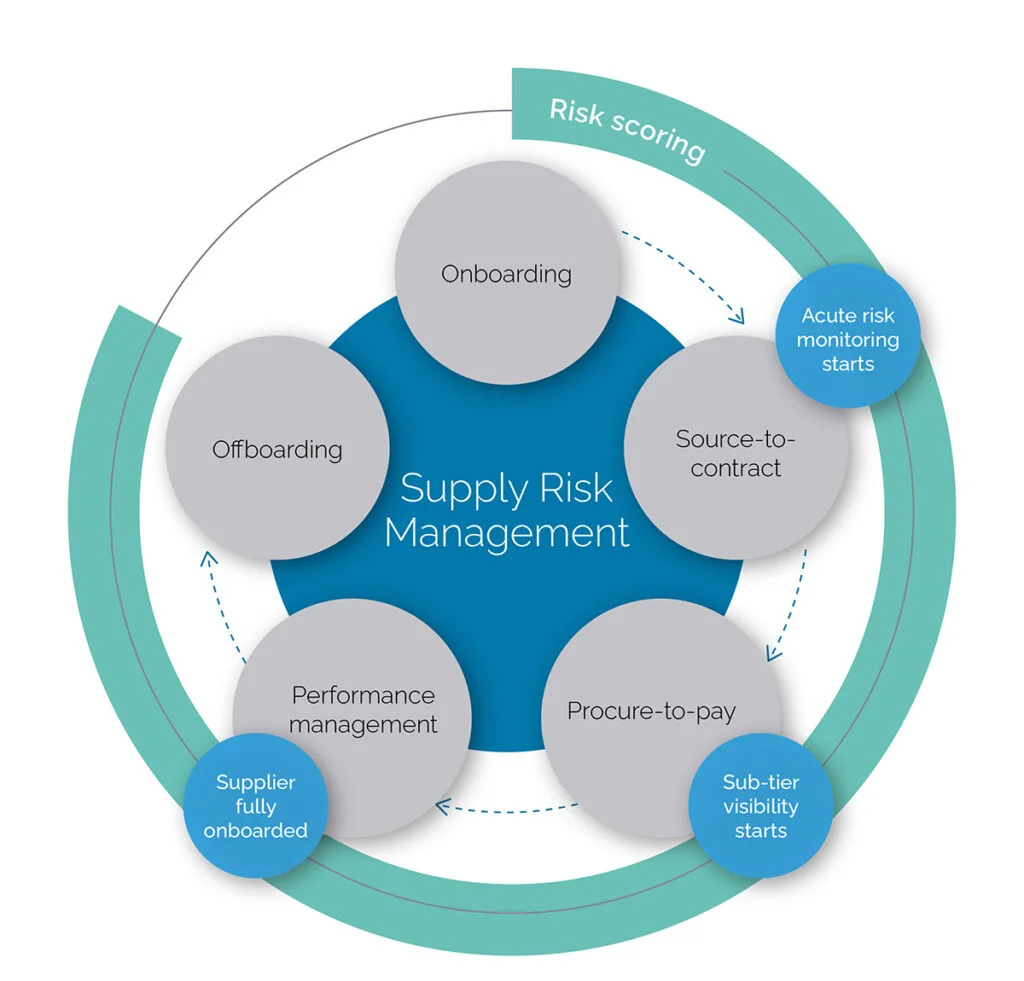
Case Study: Global Manufacturing Enterprise
A multinational manufacturing company faced frequent production delays due to supplier variability and inaccurate forecasts. Traditional planning tools could not adapt quickly enough to demand changes.
By implementing AI-driven supply chain analytics, the organization
- Improved forecast accuracy
- Reduced inventory carrying costs
- Identified high-risk suppliers earlier
- Increased on-time delivery performance
AI transformed the supply chain from a cost center into a strategic advantage.
The Data Foundation Behind AI Supply Chains
AI effectiveness depends on data quality and architecture.
Successful enterprises ensure
- Integrated data from ERP, logistics, and suppliers
- Real time ingestion of operational signals
- Governed and validated datasets
- Scalable infrastructure for model training
Organizations planning AI-ready supply chain platforms can begin at
https://dataguruanalytics.org/services/research-consultancy/
Governance and Trust in AI Supply Chain Systems
Automated decisions must be transparent and accountable. Governance ensures AI recommendations align with business policies and ethical standards.
Governance should address
- Explainability of forecasts and recommendations
- Data quality validation
- Decision boundaries for automation
- Audit trails for interventions
Strong governance protects trust and adoption. Validation and quality practices can be strengthened through
https://dataguruanalytics.org/data-quality-validation-solutions
AI and Real Time Supply Chain Visibility
Real time analytics allows supply chain leaders to monitor operations continuously.
AI-powered dashboards highlight
- Emerging risks
- Performance deviations
- Opportunities for optimization
Visibility enables proactive action instead of delayed response.
Challenges to Adoption
Despite its benefits, AI in supply chain analytics requires careful implementation.
Common challenges include
- Fragmented data sources
- Resistance to automated recommendations
- Skills gaps
- Integration complexity
Enterprises that address these challenges systematically achieve faster and more sustainable results.
Measuring the Impact of AI Supply Chain Analytics
Success should be measured through tangible outcomes.
Key metrics include
- Forecast accuracy
- Inventory turnover
- Service level improvements
- Cost reductions
- Resilience during disruptions
These metrics demonstrate the real business value of AI.
Frequently Asked Questions
Is AI in supply chain only for large enterprises
No. Cloud-based platforms make AI analytics accessible to mid-sized organizations as well.
Does AI replace supply chain planners
No. AI augments planners by providing better insights and recommendations.
How long does implementation take
Initial value can be delivered within months when data foundations are ready.
Conclusion
AI in supply chain analytics is redefining how enterprises plan, operate, and compete. Organizations that adopt AI-driven approaches gain resilience, efficiency, and strategic flexibility in an increasingly uncertain world. The future of supply chain management belongs to enterprises that combine human expertise with intelligent automation.
Call to Action
Transform your supply chain with AI-driven analytics built for scale, trust, and resilience. Begin with expert advisory and implementation support at
https://dataguruanalytics.org/services/research-consultancy/
and unlock the next generation of supply chain performance.