
Introduction
Enterprise AI has moved far beyond dashboards and descriptive insights. What began as tools for reporting and prediction is rapidly evolving into systems that can recommend actions, optimize processes, and in some cases operate autonomously. For global enterprises, this evolution is reshaping strategy, operations, and competitive advantage.
The shift from insight-driven analytics to autonomous enterprise AI systems is not about replacing humans. It is about augmenting decision making at scale. Organizations that understand this transition early are positioning themselves to lead in efficiency, speed, and innovation.
Understanding the Stages of Enterprise AI
Enterprise AI does not arrive fully autonomous. It evolves through clear stages, each building on the previous one.
Stage 1: Descriptive Analytics
Data systems report what happened. Dashboards and reports summarize historical performance.
Stage 2: Diagnostic Analytics
Analytics explains why something happened by identifying drivers and correlations.
Stage 3: Predictive Analytics
AI models forecast future outcomes such as demand, risk, or churn.
Stage 4: Prescriptive Analytics
Systems recommend actions based on predictions and business rules.
Stage 5: Autonomous Systems
Enterprise AI systems execute decisions automatically within defined boundaries.
Most enterprises operate between stages three and four. Few have fully autonomous capabilities, but momentum is accelerating.
Why Enterprises Are Moving Toward Autonomy
The scale and speed of modern business make manual decision making increasingly impractical. Autonomous enterprise AI systems help organizations respond in real time.
Drivers include
- Massive data volumes beyond human analysis
- Demand for faster operational decisions
- Complexity across global operations
- Cost pressure and efficiency targets
- Competitive differentiation through automation
Autonomy does not eliminate oversight. It reallocates human focus from routine decisions to strategic judgment.
The Role of Data Infrastructure in Enterprise AI
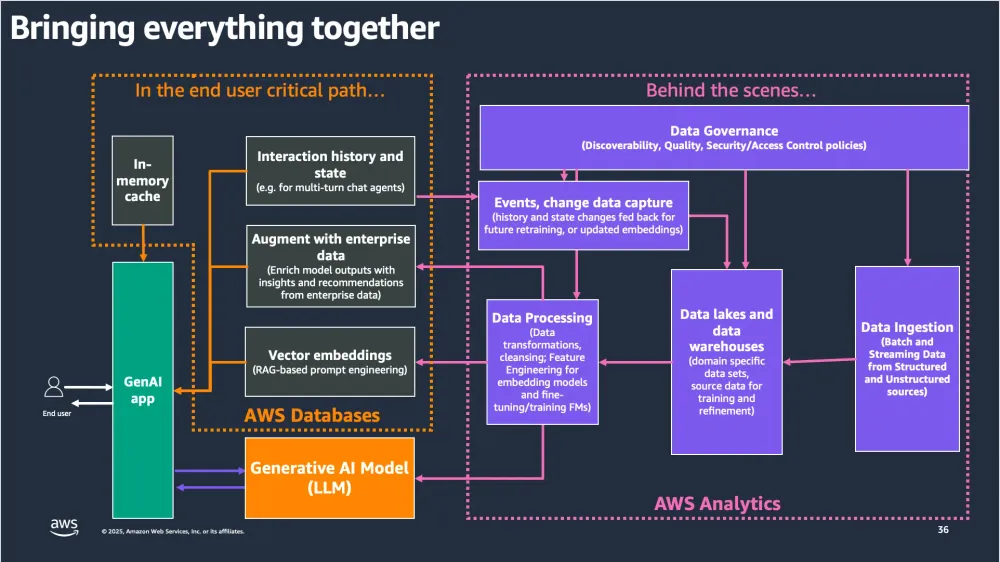
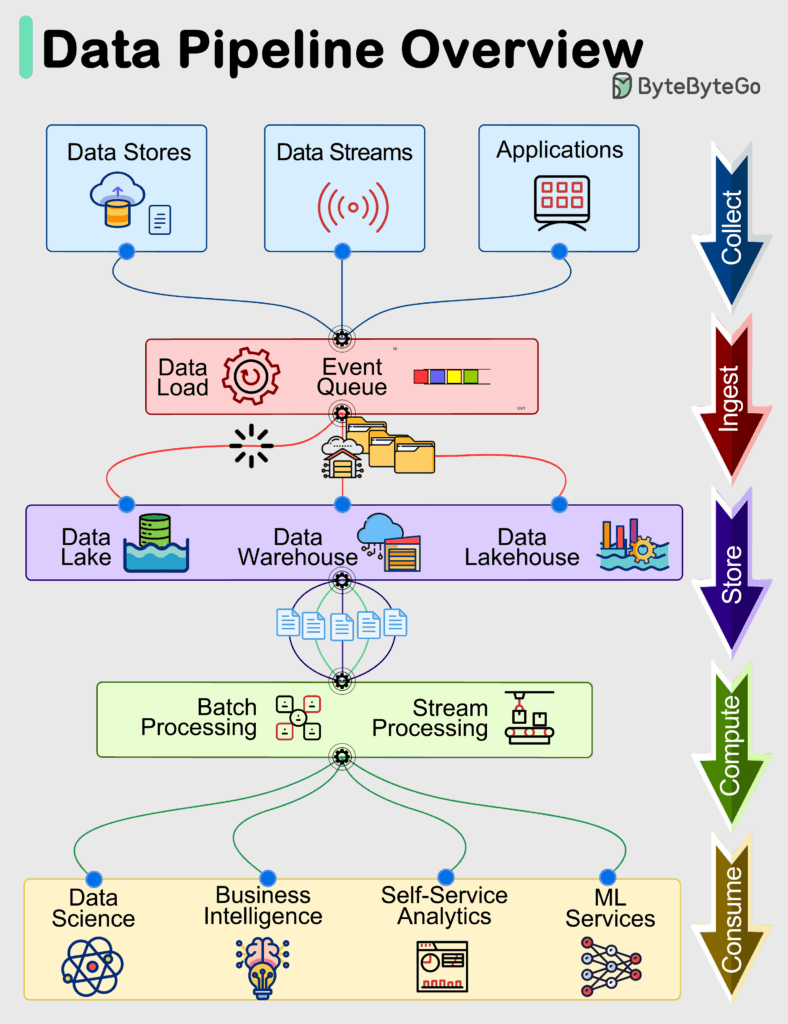
Autonomous AI systems require far more than algorithms. They depend on reliable, governed, and scalable data foundations.
Critical infrastructure capabilities include
- High quality, trusted data pipelines
- Real time data ingestion
- Scalable compute for model training and inference
- Strong data governance and lineage
- Continuous monitoring and validation
Without these foundations, AI systems produce unreliable or risky outcomes. Enterprises exploring AI-ready architectures can begin at
https://dataguruanalytics.org/services/research-consultancy/
From Human-in-the-Loop to Human-on-the-Loop
As AI systems mature, the role of humans changes.
Human-in-the-loop
Humans review and approve AI recommendations before action.
Human-on-the-loop
AI systems act autonomously while humans monitor outcomes and intervene when necessary.
This transition improves speed while maintaining accountability. It is especially valuable in areas such as pricing optimization, fraud detection, supply chain adjustments, and resource allocation.
Governance and Ethics in Autonomous AI
Autonomy increases responsibility. Enterprises must ensure AI systems align with ethical, legal, and business standards.
Governance frameworks should address
- Decision boundaries for automation
- Explainability of AI outcomes
- Bias detection and mitigation
- Auditability of decisions
- Clear escalation paths
Ethical failures in autonomous systems can scale rapidly. Strong governance protects trust and reputation. Validation and governance practices can be strengthened through
https://dataguruanalytics.org/data-quality-validation-solutions
Enterprise Use Cases Moving Toward Autonomy
Many organizations are already deploying semi-autonomous AI systems.
Examples include
- Dynamic pricing engines adjusting prices automatically
- Fraud systems blocking transactions in real time
- Predictive maintenance triggering automated interventions
- Supply chain systems rerouting logistics dynamically
- Marketing platforms optimizing campaigns without manual input
These systems deliver value by acting faster than humans can.
Risks of Rushing Autonomy
Autonomous AI is powerful, but premature deployment introduces risk.
Common pitfalls include
- Poor data quality feeding models
- Lack of transparency in decision logic
- Overreliance on automation
- Insufficient monitoring and controls
- Weak governance structures
Successful enterprises adopt autonomy incrementally, proving trust at each stage.
Measuring Maturity of Enterprise AI Systems
Enterprises should assess readiness before advancing autonomy.
Key indicators include
- Data reliability and consistency
- Model performance stability
- Governance maturity
- Organizational data literacy
- Executive understanding of AI limitations
Maturity assessment ensures autonomy enhances performance rather than introducing new risk.
The Strategic Impact of Autonomous AI
As enterprise AI systems evolve, strategy itself changes.
Leadership benefits include
- Faster execution of decisions
- Reduced operational friction
- Improved forecasting accuracy
- Continuous optimization
- Greater resilience to disruption
Autonomous systems enable organizations to adapt continuously rather than periodically.
Frequently Asked Questions
Does autonomous AI eliminate human jobs
No. It shifts roles toward oversight, strategy, and exception handling.
Are enterprise AI systems reliable enough for autonomy
They are reliable when built on strong data foundations and governance.
Can small and mid-sized enterprises adopt autonomous AI
Yes. Cloud-based platforms make advanced AI accessible beyond large enterprises.
Conclusion
The evolution of enterprise AI from insight generation to autonomy marks a fundamental shift in how organizations operate. Enterprises that approach this transition thoughtfully, with strong data foundations and governance, unlock speed, efficiency, and strategic advantage. Autonomy is not the future of enterprise AI. It is the next phase already unfolding.
Call to Action
Prepare your organization for the next stage of enterprise AI with expert strategy, architecture, and governance guidance. Begin your AI transformation journey at
https://dataguruanalytics.org/services/research-consultancy/
and build enterprise AI systems designed for trust, scale, and long-term impact.