
Introduction
Data systems have become more powerful than ever. They automate decisions, influence behavior, and shape how organizations operate. Yet many of these systems are designed with technology in mind rather than people. The result is analytics that feels complex, impersonal, and disconnected from real human needs.
Human-centered analytics shifts the focus. It ensures data systems are built around how people think, decide, and act. When data is designed for humans, it becomes more trusted, more useful, and more impactful. Organizations that embrace this approach see stronger adoption, better decisions, and fewer ethical risks.
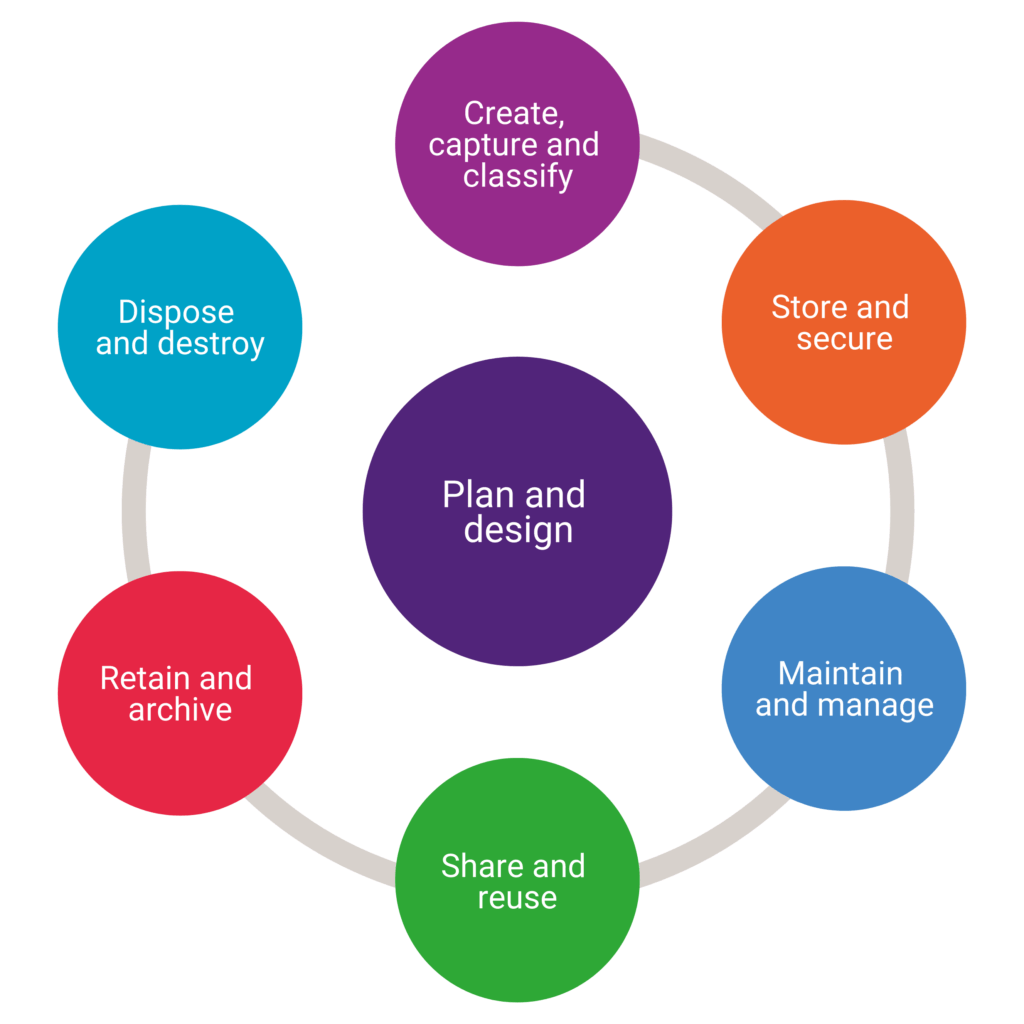
What Human-Centered Analytics Means
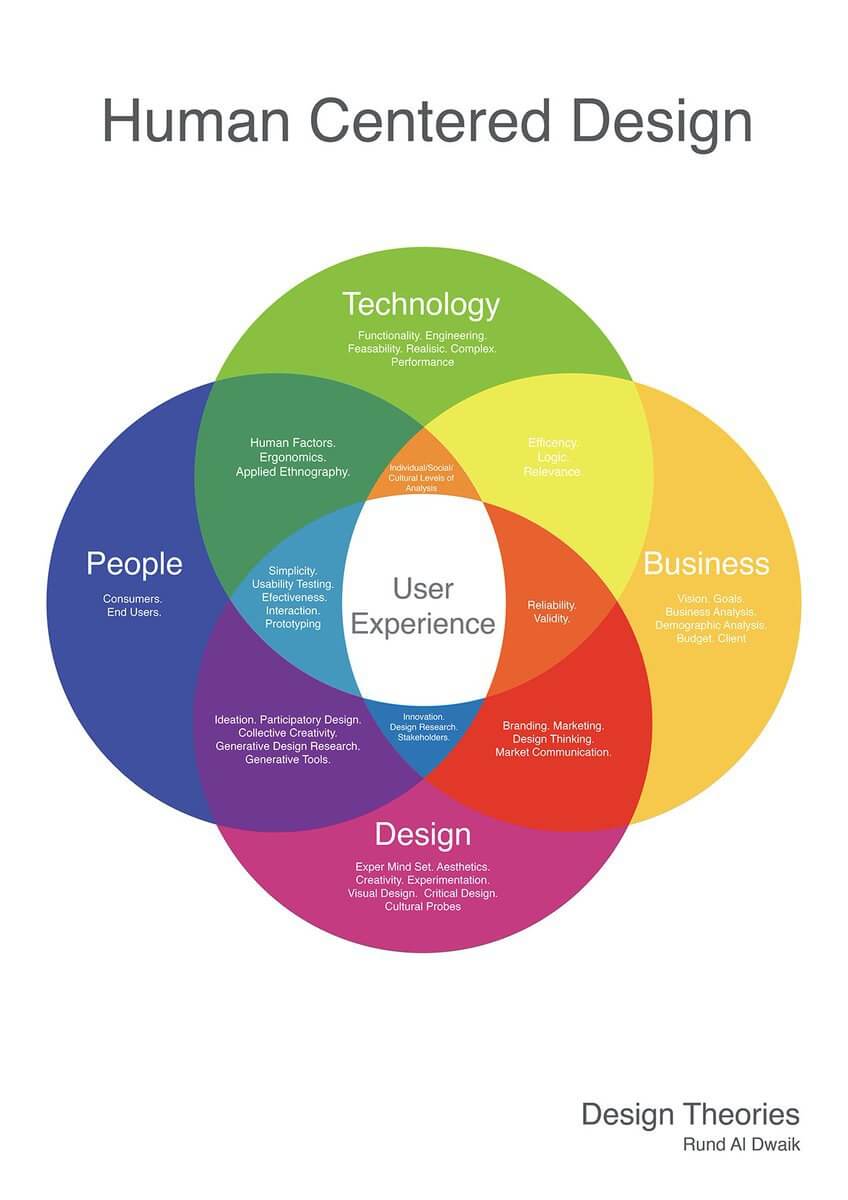
Human-centered analytics is the practice of designing data systems around human behavior, context, and decision-making needs rather than technical convenience.
It prioritizes
- clarity over complexity
- usability over volume
- insight over output
- trust over speed
Instead of asking what data can do, it asks how data should serve people.
Why Traditional Analytics Often Fails Users
Many analytics platforms fail not because the data is wrong, but because the experience is overwhelming or unclear.
Common failures include
- dashboards overloaded with metrics
- unclear definitions and context
- insights that lack explanation
- analytics designed for analysts, not decision makers
- data presented without ethical consideration
When users do not understand or trust data, they ignore it.
The Principles of Human-Centered Data Design
1. Empathy First
Design begins with understanding how users think, what decisions they make, and what pressures they face. Data must match their cognitive load and decision context.
2. Clarity Over Complexity
Good analytics simplifies reality without distorting it. Clear visuals, consistent language, and meaningful summaries matter more than advanced charts.
3. Transparency and Explainability
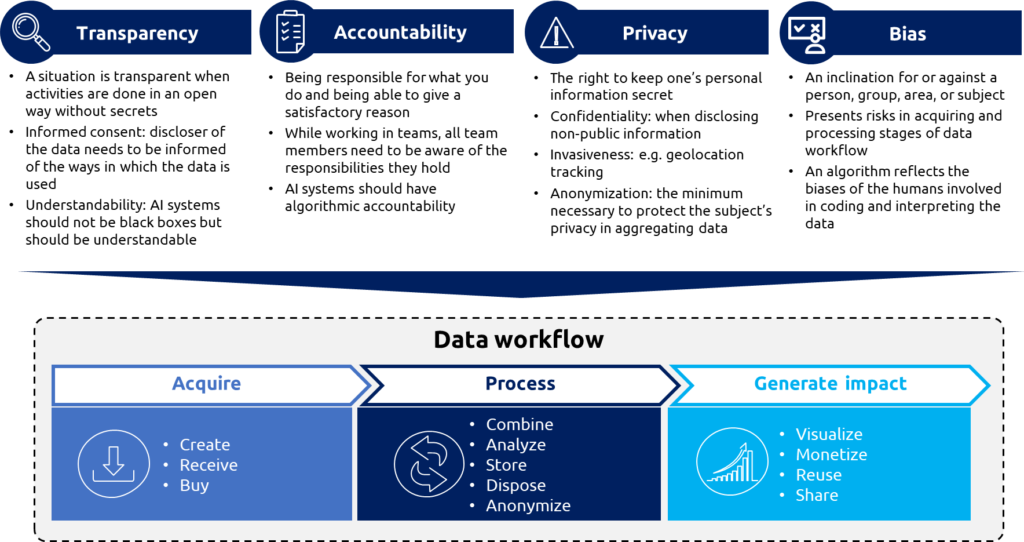
Users must understand how insights are generated. Explainable analytics builds trust and prevents misuse.
4. Ethical Responsibility
Human-centered systems respect privacy, avoid manipulation, and minimize bias. Ethics must be embedded in design, not added later.
Human-Centered Analytics and Decision Making
Data should support decisions, not replace human judgment.
Well-designed systems
- surface relevant insights at the right time
- highlight risk without overwhelming
- provide context for interpretation
- allow users to question results
This balance ensures humans remain accountable while benefiting from data intelligence.
Designing for Trust
Trust is the foundation of adoption. Without it, even accurate analytics fails.
Trust is built through
- consistent data quality
- transparent calculations
- traceable data sources
- clear ownership
- predictable behavior of systems
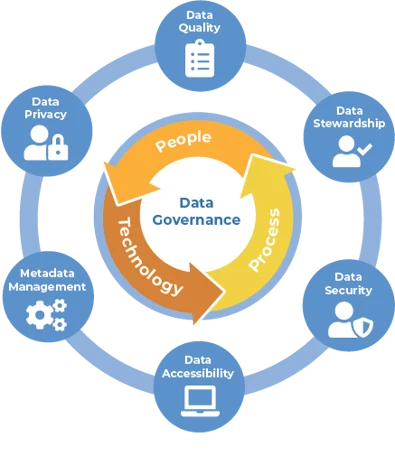
Governance and validation frameworks reinforce this trust. Organizations can strengthen these practices through
https://dataguruanalytics.org/data-quality-validation-solutions
Human-Centered Analytics in Practice
Organizations applying this approach typically focus on
- executive friendly dashboards
- role based data access
- natural language explanations
- feedback loops from users
- continuous usability improvement
Analytics becomes a conversation, not a report.
The Role of Design in Analytics
Design is not decoration. It is how information communicates meaning.
Effective design includes
- intuitive layout
- visual hierarchy
- minimal cognitive load
- consistent patterns
- accessible color usage
When design is ignored, insights are lost even if the data is correct.
Ethics and Responsibility in Data Systems
Human-centered analytics places ethics at the core.
This includes
- respecting data privacy
- avoiding biased datasets
- preventing misuse of insights
- ensuring fairness in automated decisions
- aligning analytics with organizational values
Ethical design protects both users and the organization.
Human-Centered Analytics and AI
As AI becomes more integrated into analytics, human-centered principles become even more important.
AI systems should
- explain recommendations
- allow human override
- avoid black-box decisions
- respect user consent
- support accountability
AI should assist people, not replace their judgment.
Organizational Benefits
Enterprises that adopt human-centered analytics experience
- higher analytics adoption
- better decision confidence
- reduced resistance to data initiatives
- improved ethical compliance
- stronger alignment between teams
Human-centered design turns analytics into a trusted partner rather than a technical tool.
Frequently Asked Questions
Is human-centered analytics only about design
No. It includes governance, ethics, usability, and decision alignment.
Does this slow down analytics delivery
No. It reduces rework and increases long-term adoption.
Can human-centered analytics scale
Yes. In fact, it scales better because users understand and trust the system.
Conclusion
Human-centered analytics recognizes a simple truth: data exists to serve people, not the other way around. When systems are designed with empathy, clarity, and ethics, analytics becomes more than a tool. It becomes a foundation for better decisions, stronger trust, and sustainable innovation.
Call to Action
Design data systems that put people first while delivering enterprise-grade insights. Begin your human-centered analytics journey with expert guidance at
https://dataguruanalytics.org/services/research-consultancy/
and build analytics that empower, not overwhelm.