
Introduction
Big data analytics has become the backbone of modern enterprises. Organizations rely on massive datasets to drive forecasting, automation, AI, and real-time decision making. Yet behind every dashboard, model, and pipeline lies an invisible cost that rarely appears in strategy discussions: energy consumption.
As analytics workloads grow, so does their environmental footprint. Compute-intensive processing, always-on data pipelines, redundant storage, and inefficient architectures quietly consume enormous amounts of energy. For sustainability leaders, executives, and technology decision makers, big data sustainability is no longer optional. It is a business responsibility with financial, environmental, and reputational consequences.
Why Big Data Has an Energy Problem
Big data analytics relies on continuous computation. Unlike traditional reporting systems, modern analytics platforms operate around the clock, ingesting, transforming, and analyzing data in real time.
Energy consumption increases due to
- High volume data ingestion
- Compute heavy transformations
- Redundant data storage
- Inefficient queries scanning large datasets
- Always on analytics clusters
When multiplied across global enterprises, these factors create significant environmental impact.
The Hidden Sources of Energy Consumption
Always On Compute
Many analytics platforms run continuously, even during low usage periods. Idle compute still consumes energy and increases carbon emissions.
Data Duplication
Data copied across warehouses, lakes, backups, and testing environments multiplies storage and processing requirements unnecessarily.
Inefficient Pipelines
Poorly optimized pipelines process more data than required, repeating transformations and scanning unused columns.
Overengineering
Complex architectures built without sustainability considerations consume more energy than simpler, purpose driven designs.
These inefficiencies often go unnoticed because energy costs are bundled into cloud or infrastructure bills.
Why Sustainability Matters to the Business
Energy inefficiency is not just an environmental issue. It is a business risk.
Big data sustainability affects
- Operating costs
- Regulatory compliance
- Investor confidence
- Brand reputation
- Long term scalability
As ESG reporting requirements expand, enterprises must account for the environmental impact of digital operations, including analytics infrastructure.
Measuring the Energy Impact of Analytics
You cannot optimize what you cannot measure. Enterprises should begin by understanding where energy is consumed across their analytics stack.
Key areas to assess
- Compute utilization by workload
- Storage growth patterns
- Pipeline execution frequency
- Query efficiency
- Data retention policies
Visibility enables informed decisions and targeted optimization.
Sustainable Architecture Design
Energy efficient analytics begins with architecture.
Sustainable design principles include
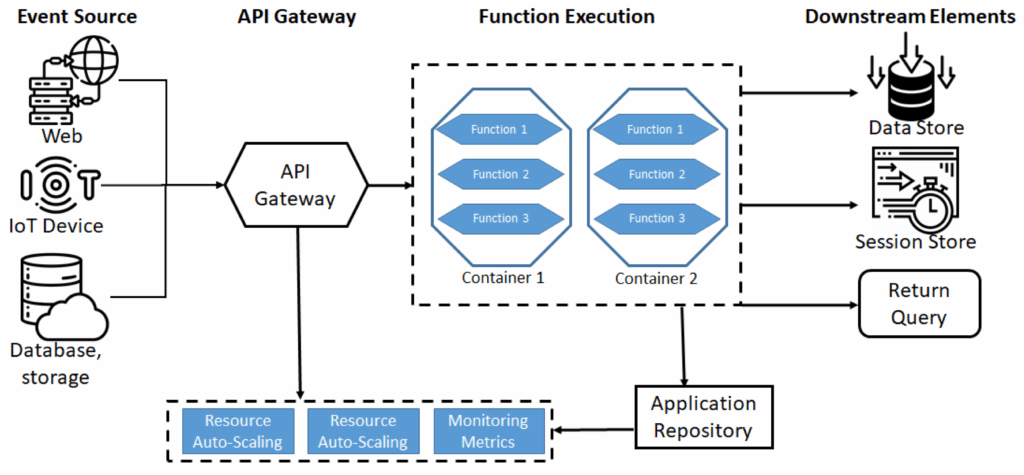
- Elastic compute that scales down when idle
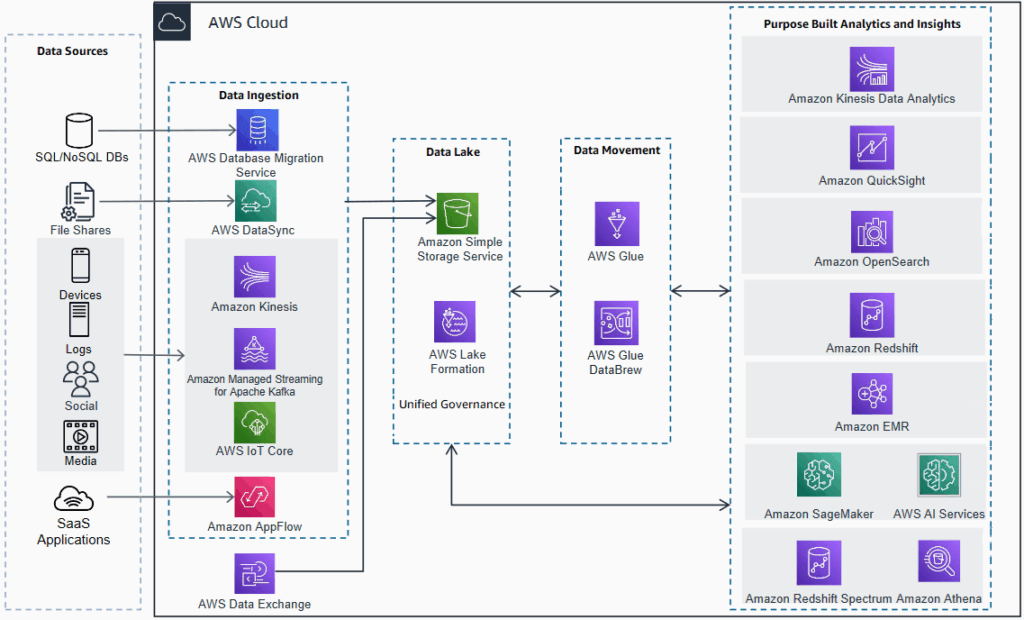
- Separation of storage and compute
- Use of serverless analytics where appropriate
- Tiered storage for hot, warm, and cold data
- Modular pipelines that process only required data
Enterprises exploring sustainable architecture planning can begin at
https://dataguruanalytics.org/services/research-consultancy/
Optimizing Analytics Workloads for Energy Efficiency
Small design changes can produce significant sustainability gains.
Effective optimization strategies include
- Scheduling batch jobs during low energy demand periods
- Eliminating unnecessary data refresh cycles
- Optimizing queries and reducing full table scans
- Consolidating duplicate pipelines
- Archiving infrequently accessed data
Efficiency improves both sustainability and cost management.
The Role of Cloud Providers
Cloud platforms invest heavily in renewable energy and energy-efficient data centers. However, sustainability benefits depend on how services are used.
Enterprises must
- Choose regions powered by renewable energy
- Monitor resource usage closely
- Avoid overprovisioning
- Design workloads for elasticity
Cloud adoption alone does not guarantee sustainability. Architecture and governance matter.
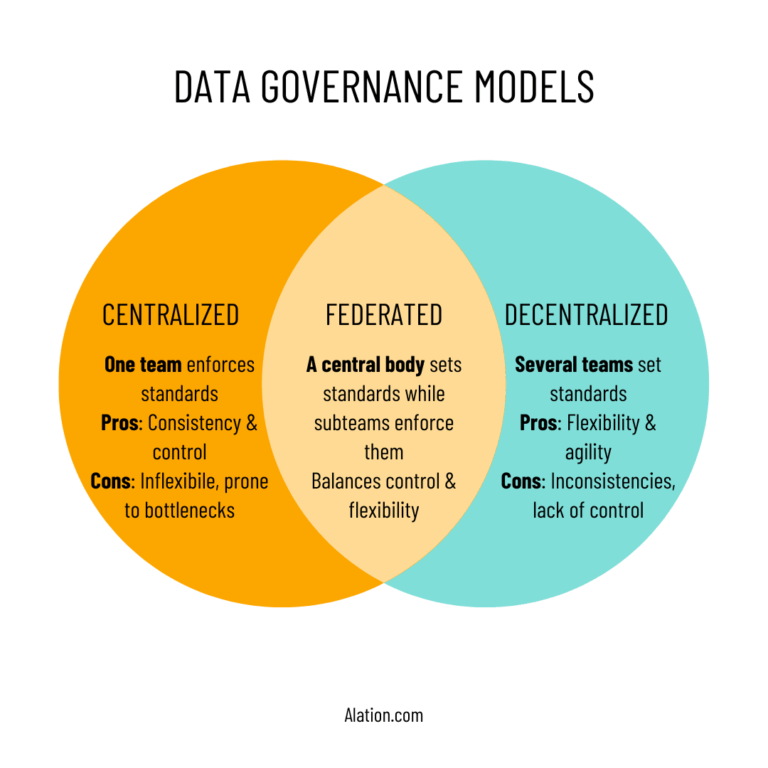
Governance for Sustainable Analytics
Sustainability requires discipline. Without governance, energy efficiency efforts degrade over time.
Governance should address
- Resource provisioning standards
- Data retention policies
- Workload prioritization
- Cost and energy accountability
- Continuous optimization reviews
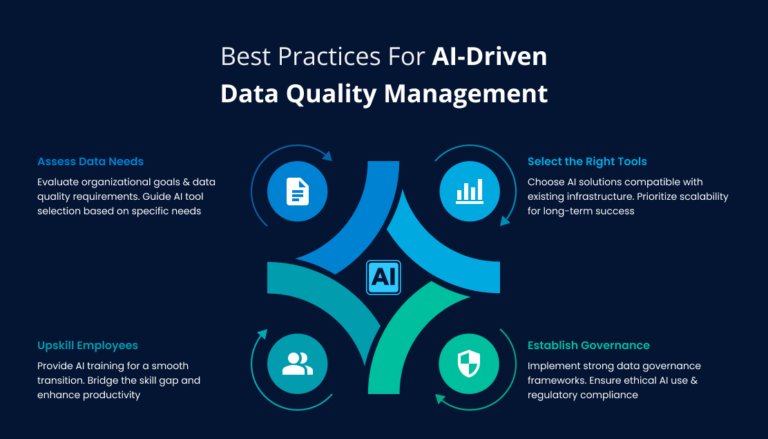
Data quality and governance programs support sustainable operations. Validation and governance practices can be strengthened through
https://dataguruanalytics.org/data-quality-validation-solutions
AI and Energy Consumption
Advanced analytics and AI increase compute intensity significantly. Training large models consumes substantial energy, especially when datasets are large and poorly curated.
Sustainable AI practices include
- Reducing training dataset size without losing signal
- Reusing models where possible
- Monitoring training frequency
- Evaluating model efficiency
Responsible AI depends on responsible data practices.
Real World Impact
A global enterprise assessed its analytics environment and discovered that redundant pipelines and unused datasets accounted for a large portion of energy consumption. After optimizing workloads and archiving unused data, the organization reduced operational costs and improved its sustainability metrics without impacting insight quality.
Sustainability and performance improved together.
Frequently Asked Questions
Is sustainable analytics slower
No. Efficient systems often perform better because they eliminate waste.
Does sustainability require new platforms
Not always. Many improvements come from optimizing existing systems.
Can sustainability reduce cloud costs
Yes. Energy efficiency and cost efficiency often align closely.
Conclusion
The hidden energy costs of big data analytics are no longer invisible. Enterprises that ignore sustainability face rising costs, regulatory pressure, and reputational risk. Those that design analytics with efficiency in mind build systems that scale responsibly and support long term growth. Big data sustainability is not about doing less analytics. It is about doing analytics smarter.
Call to Action
Design energy efficient analytics architectures that support performance and sustainability goals. Begin with expert advisory and assessment at
https://dataguruanalytics.org/services/research-consultancy/
and build analytics systems that balance insight, cost, and environmental responsibility.