
Introduction
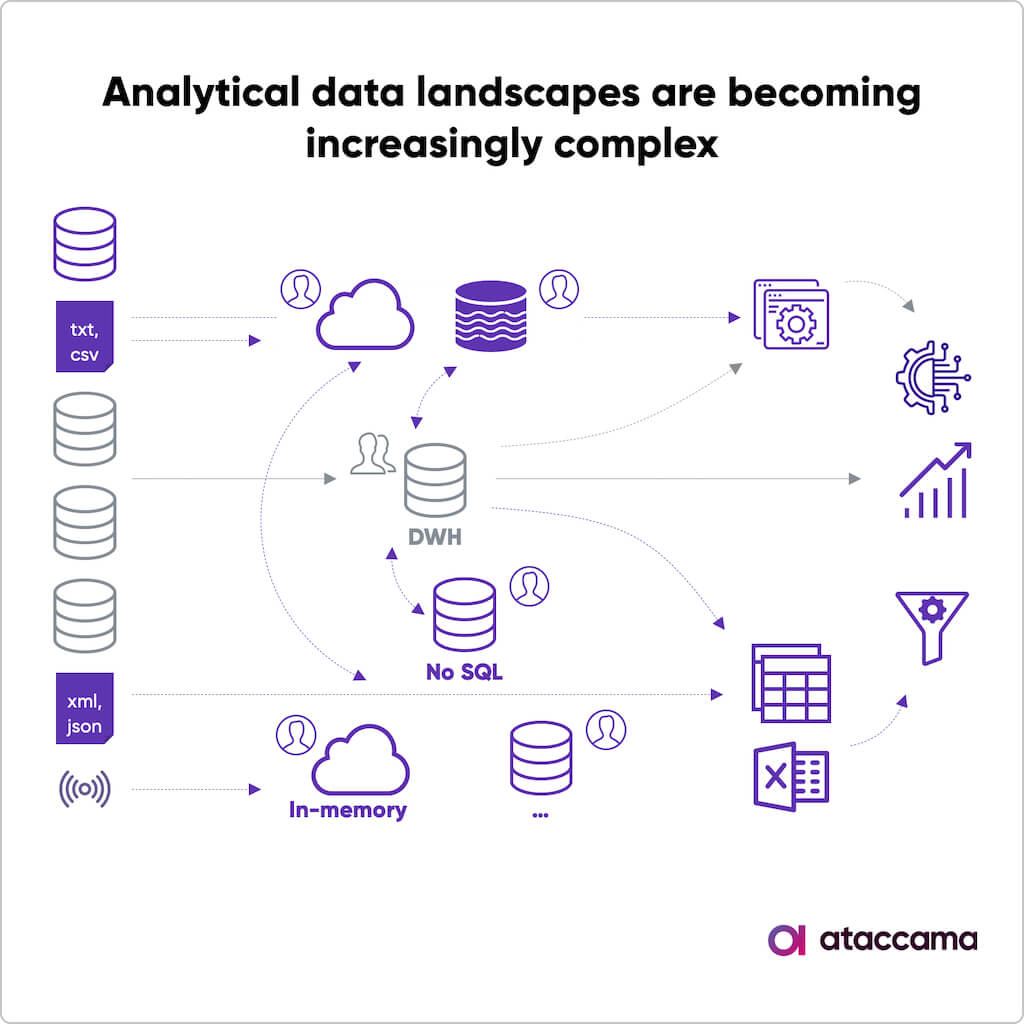
Modern data platforms are complex ecosystems. Data flows continuously from applications, devices, partners, and users into analytics systems that power critical business decisions. As this complexity grows, traditional monitoring approaches fall short. Enterprises may know when systems fail, but not why data becomes unreliable or where trust is lost.
This is where data observability becomes essential. Data observability tools provide visibility into the health, quality, and behavior of data across its entire lifecycle. For executives and data leaders, observability transforms analytics from a fragile system into a dependable decision engine.
What Data Observability Really Means
Data observability is the ability to understand the state of data systems by analyzing their outputs. Rather than manually checking pipelines or dashboards, observability systems continuously monitor data behavior and surface issues automatically.
True data observability includes visibility into
- Data freshness
- Data volume and distribution
- Schema changes
- Data quality anomalies
- Pipeline reliability
Observability answers a critical question
Can we trust this data right now
Why Traditional Monitoring Is No Longer Enough
Traditional monitoring focuses on infrastructure. It tells teams when servers are down or jobs fail. It does not explain when data silently degrades.
Modern analytics failures often occur without errors. Examples include
- Data arriving late but still loading successfully
- Values drifting outside expected ranges
- Missing records that do not trigger alerts
- Schema changes that break downstream metrics
Without observability, these issues reach executives before engineers notice them.
The Business Cost of Poor Data Visibility
Lack of observability undermines confidence and slows decision making.
Consequences include
- Executives questioning dashboards
- Teams reverting to spreadsheets
- Delayed strategic decisions
- Increased operational risk
- Loss of trust in analytics investments
Observability protects analytics credibility by ensuring issues are detected early.
Core Pillars of Data Observability
Freshness Monitoring
Tracks whether data arrives on time and alerts teams when pipelines lag behind expected schedules.
Volume Monitoring
Detects unusual spikes or drops in data volume that signal upstream issues or incomplete ingestion.
Distribution Monitoring
Identifies shifts in data patterns that may indicate errors, fraud, or system changes.
Schema Monitoring
Flags unexpected schema changes before they break dashboards or models.
Lineage Awareness
Shows how data moves through pipelines so teams can trace the root cause of issues quickly.
Together, these pillars provide comprehensive system awareness.
Observability in Modern Data Platforms
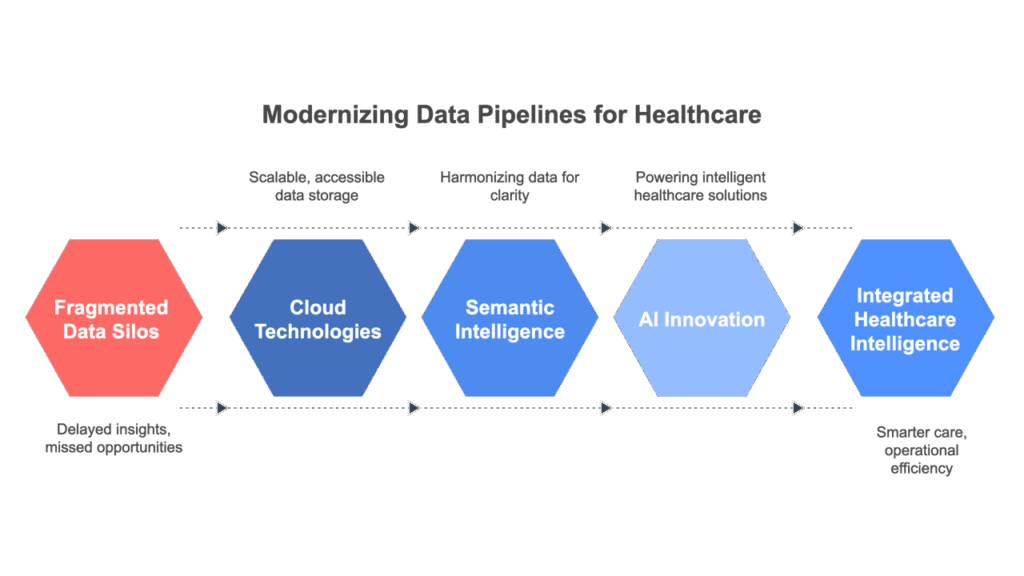
Modern data platforms rely on automation, cloud infrastructure, and distributed pipelines. Observability becomes the connective tissue that keeps these components aligned.
In modern platforms, observability enables
- Faster incident response
- Reduced downtime
- Improved data quality
- Confident self service analytics
- Scalable governance
Enterprises exploring resilient platform design can begin at
https://dataguruanalytics.org/services/research-consultancy/
Observability and Data Quality
Data quality programs fail without visibility. Observability provides continuous validation rather than periodic checks.
Benefits include
- Early detection of quality issues
- Automated alerts for anomalies
- Reduced manual testing
- Clear accountability for data owners
Data observability tools complement data quality frameworks by turning standards into live signals. Enterprises can strengthen quality and validation practices through
https://dataguruanalytics.org/data-quality-validation-solutions
Observability Supports Executive Decision Making
Executives rely on dashboards to guide strategy. Observability ensures those dashboards reflect reality.
With observability in place
- Leadership trusts analytics outputs
- Decisions accelerate
- Risk exposure decreases
- Data driven culture strengthens
Executives no longer ask whether numbers are correct. They focus on what actions to take.
Observability and Incident Management
When issues occur, observability reduces mean time to resolution. Instead of searching across logs and pipelines, teams see the problem immediately.
Observability enables
- Root cause analysis
- Impact assessment
- Faster recovery
- Preventive action
This resilience is critical for real time and mission critical analytics.
Common Observability Gaps
Enterprises struggle when they
- Rely on manual checks
- Monitor only infrastructure
- Lack lineage visibility
- Ignore distribution changes
- Treat observability as optional
These gaps allow silent failures to persist until business impact occurs.
Building Observability into Data Strategy
Observability should be designed into the platform from the start, not added later.
Key considerations
- Define data reliability SLAs
- Assign ownership for data domains
- Integrate observability with pipelines
- Align alerts with business impact
- Review observability metrics regularly
Observability becomes a strategic capability rather than a technical add on.
Real World Example
A global enterprise experienced recurring discrepancies in revenue dashboards. Pipelines ran successfully, but values drifted slowly over time. After implementing data observability tools, the organization identified upstream schema changes and late arriving data that had gone unnoticed.
Once addressed, executive confidence in analytics was restored and reporting cycles accelerated.
Frequently Asked Questions
Is data observability the same as monitoring
No. Monitoring focuses on systems. Observability focuses on data behavior and trust.
Do observability tools replace data engineers
No. They amplify engineers by automating detection and diagnosis.
Is observability only for large enterprises
No. Any organization with multiple data sources benefits from observability early.
Conclusion
As data platforms grow more complex, trust becomes the most valuable asset. Data observability tools ensure that trust by making data behavior visible, measurable, and actionable. Enterprises that invest in observability protect analytics credibility, accelerate decisions, and build platforms that scale with confidence.
Call to Action
Design data platforms that deliver reliable insights at scale. Begin with expert advisory and observability strategy at
https://dataguruanalytics.org/services/research-consultancy/
and build analytics systems leaders can trust.