
Introduction
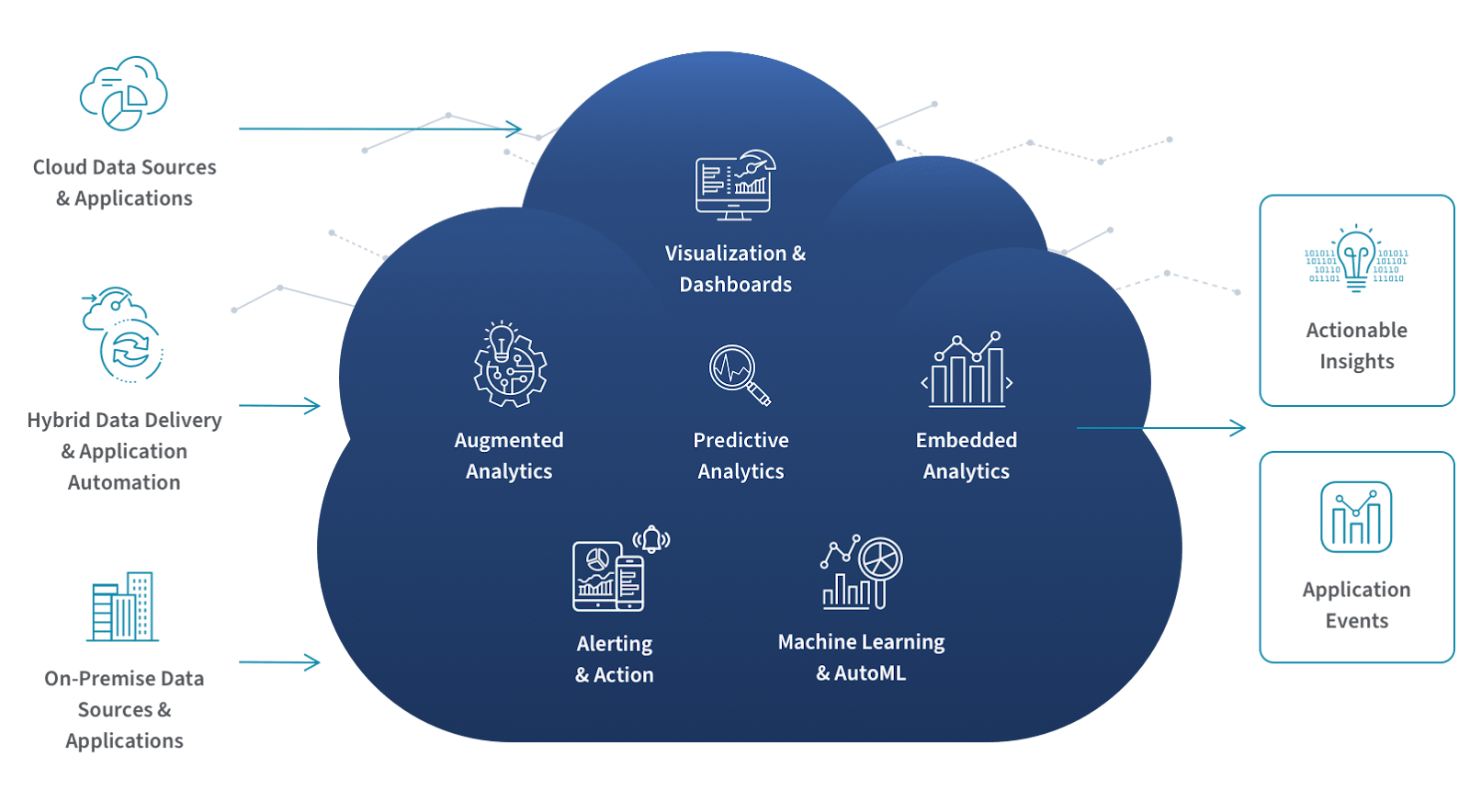
Enterprises are under constant pressure to deliver insights faster while reducing infrastructure complexity and cost. Traditional data platforms require capacity planning, server management, and ongoing maintenance that slow innovation. Serverless data platforms are changing this model by abstracting infrastructure entirely and allowing teams to focus on analytics and outcomes rather than operations.
Serverless data infrastructure is not about removing servers. It is about removing the responsibility of managing them. Compute and storage scale automatically, costs align to usage, and analytics teams move at the speed of business. This shift is redefining how modern organizations build and operate data systems.
What Is Serverless Data Infrastructure
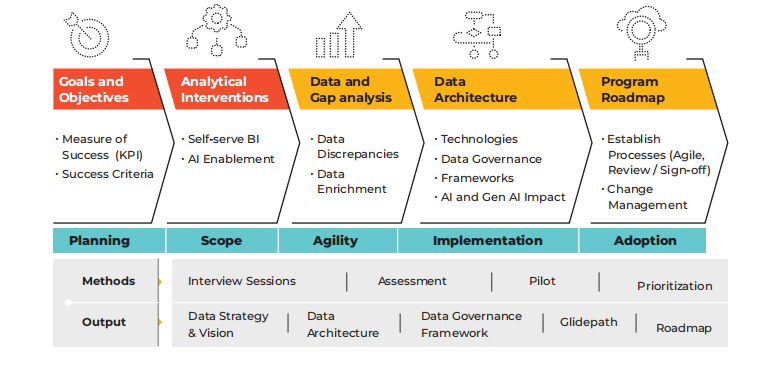
Serverless data infrastructure refers to analytics platforms where compute resources are provisioned automatically by the cloud provider. Users do not manage servers, clusters, or capacity. Instead, they submit queries, run pipelines, or deploy models while the platform handles scaling, availability, and fault tolerance.
Key characteristics include
- automatic scaling based on workload
- pay per use pricing
- built in high availability
- minimal operational overhead
- rapid deployment of analytics workloads
Serverless data platforms are becoming the default choice for organizations seeking agility and efficiency.
Why Serverless Is Gaining Momentum
The rise of serverless data platforms is driven by business realities rather than technology trends.
Speed of delivery
Analytics teams deploy new pipelines and dashboards without waiting for infrastructure approval.
Cost efficiency
Organizations pay only for execution time instead of idle capacity.
Operational simplicity
Platform teams reduce maintenance work and focus on governance and optimization.
Elastic performance
Workloads scale instantly during peak demand without performance degradation.
Executives benefit because analytics becomes responsive instead of constrained.
Core Business Benefits of Serverless Data Platforms
1. Faster Time to Insight
Serverless platforms eliminate provisioning delays. Queries run immediately and pipelines scale automatically, allowing teams to deliver insights in minutes rather than days.
2. Lower Total Cost of Ownership
By removing always on infrastructure, enterprises reduce wasted compute spend. Costs align directly with business activity.
3. Improved Reliability
Built in redundancy and fault tolerance reduce downtime and operational risk.
4. Easier Innovation
Teams experiment freely because infrastructure limits no longer block new ideas.
Executives exploring modernization strategies can learn more at
https://dataguruanalytics.org/data-infrastructure-consulting
Serverless vs Traditional Data Platforms
Traditional data platforms require fixed capacity planning and manual scaling. As workloads fluctuate, performance degrades or costs rise.
Serverless platforms adapt automatically. Compute expands when demand increases and contracts when it falls.
Traditional platforms
- fixed infrastructure
- manual scaling
- ongoing maintenance
Serverless platforms
- dynamic resource allocation
- no server management
- usage based billing
This shift allows enterprises to align analytics costs with value creation.
Serverless and Real Time Analytics
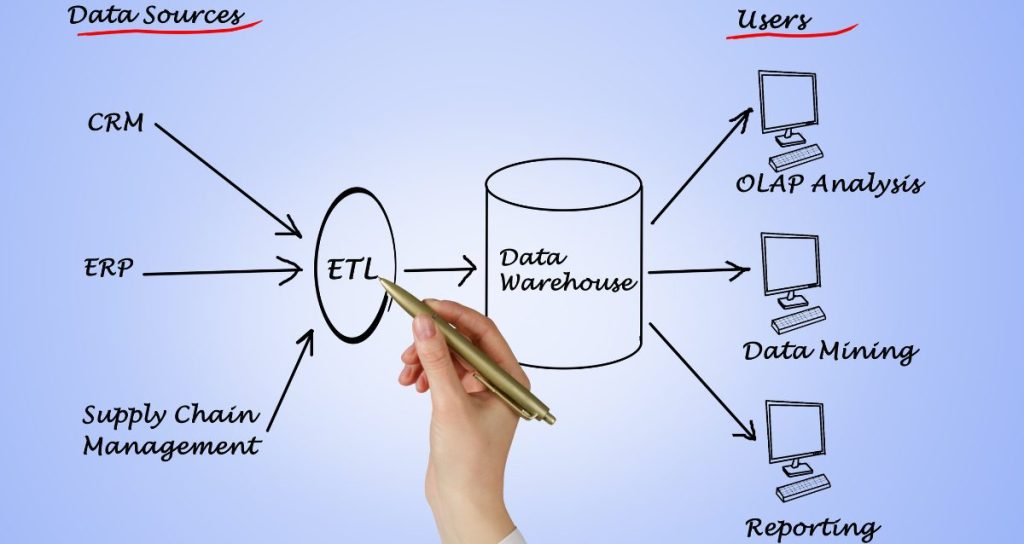
Serverless infrastructure supports streaming and event driven analytics. Data flows from applications, sensors, and transactions into analytics systems that process information instantly.
Use cases include
- fraud detection
- real time personalization
- operational monitoring
- demand forecasting
- financial risk analysis
Serverless platforms ensure that sudden spikes in data volume do not overwhelm systems.
Governance in Serverless Environments
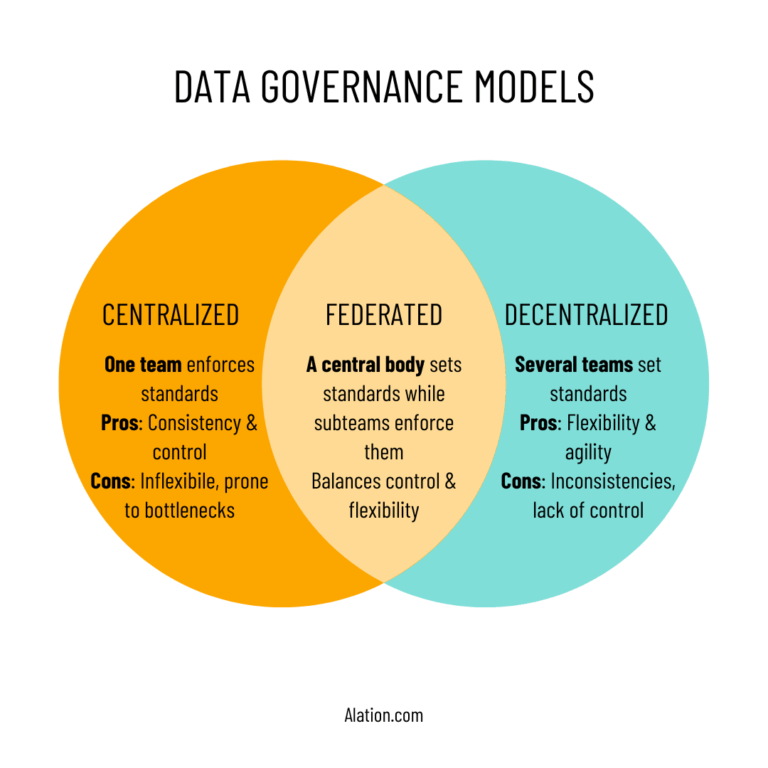
Serverless does not remove the need for governance. It increases its importance. Automated scaling must be paired with clear controls to protect data integrity and compliance.
Effective governance includes
- role based access control
- encryption at rest and in transit
- usage monitoring and cost visibility
- audit logs and lineage tracking
Organizations can strengthen governance and validation practices through
https://dataguruanalytics.org/data-quality-validation-solutions
Challenges to Address
Serverless platforms simplify infrastructure but require new management approaches.
Common challenges include
- monitoring usage and spend
- optimizing query performance
- managing data locality
- ensuring consistent governance across teams
These challenges are manageable with the right architecture and operational discipline.
Real World Example
A global retail company migrated reporting workloads to a serverless analytics platform. Seasonal demand previously required overprovisioned infrastructure. After adopting serverless, the company scaled automatically during peak shopping periods and reduced analytics costs during slower months.
Results included
- faster reporting cycles
- reduced infrastructure spend
- improved reliability during traffic spikes
The organization gained agility without sacrificing control.
Frequently Asked Questions
Are serverless platforms secure
Yes. Major cloud providers embed advanced security controls. Enterprises must still define access policies and governance standards.
Is serverless suitable for large enterprises
Yes. Many global organizations use serverless analytics to handle massive workloads efficiently.
Does serverless eliminate data engineers
No. It shifts focus from infrastructure management to data quality, modeling, and governance.
Conclusion
Serverless data platforms represent a fundamental shift in how analytics infrastructure is built and operated. By removing infrastructure management, enterprises gain speed, flexibility, and cost efficiency. Organizations that adopt serverless data infrastructure position themselves to innovate faster and respond to change with confidence.
Call to Action
Build analytics systems that scale automatically and reduce operational friction. Begin your serverless modernization journey at
https://dataguruanalytics.org/data-infrastructure-consulting and unlock the next generation of data agility.