
Introduction
Cloud adoption promised flexibility and scalability, but for many data-heavy enterprises it also introduced unpredictable spending. Analytics workloads, large data volumes, and always-on pipelines can quietly inflate cloud bills without delivering proportional value. For CFOs, finance leaders, and technology executives, cloud cost management has become a strategic priority rather than an operational concern.
Optimizing cloud costs does not mean limiting analytics ambition. It means aligning infrastructure usage with business value. When cloud environments are designed and governed correctly, enterprises gain both financial discipline and analytical agility.
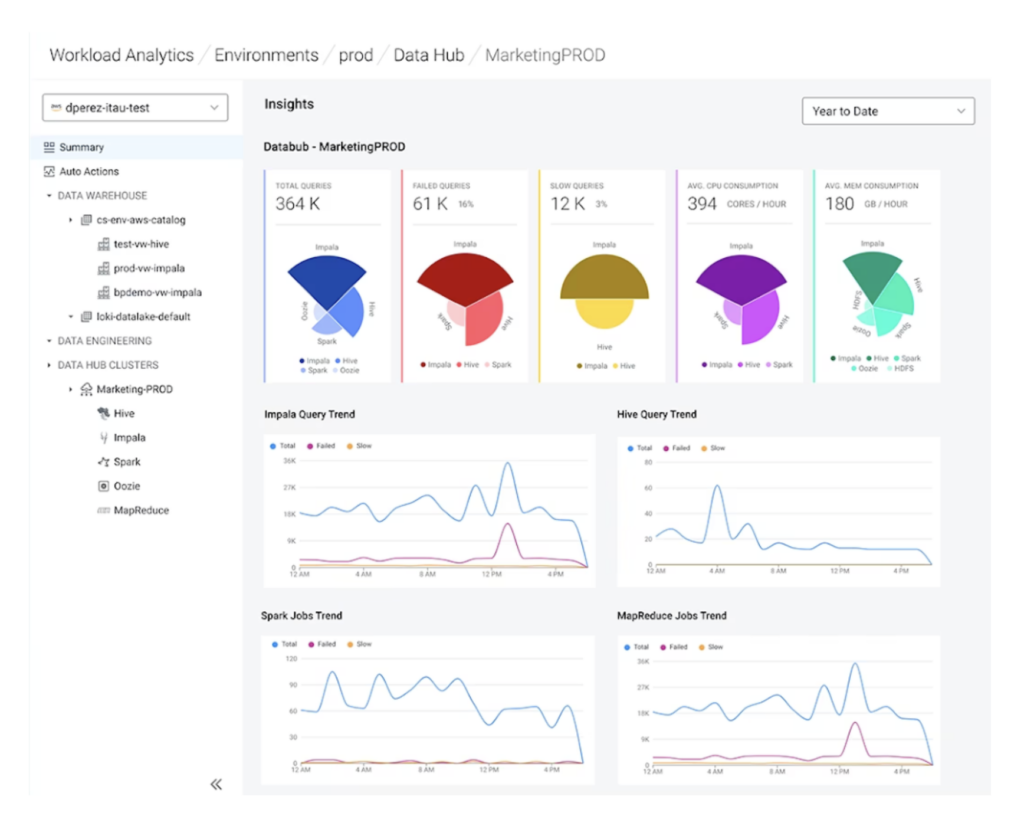
Why Cloud Costs Escalate in Data-Heavy Environments
Cloud costs rise quickly when analytics workloads grow faster than governance. Common drivers include
- Always-on compute for batch jobs
- Overprovisioned storage and replicas
- Inefficient queries scanning massive datasets
- Duplicate pipelines across teams
- Lack of visibility into usage by department
Without a structured cloud cost management approach, spending grows silently until finance teams intervene after the damage is done.
Cloud Cost Management Is a Strategic Discipline
Cost optimization is not about cutting resources arbitrarily. It is about understanding how data workloads generate value.
Effective cloud cost management focuses on
- Usage transparency
- Workload prioritization
- Performance efficiency
- Automation
- Accountability across teams
When finance and data teams collaborate, cloud spend becomes predictable and defensible.
Key Strategies for Optimizing Analytics Costs
1. Right-Size Compute Resources
Many analytics jobs run on larger instances than necessary. Monitoring workload patterns allows teams to match compute power to actual demand rather than peak assumptions.
2. Adopt Serverless and Elastic Services
Serverless analytics platforms scale automatically and charge only for execution time. This eliminates idle capacity and reduces waste during low usage periods.
3. Optimize Storage Tiering
Hot, warm, and cold data should not live in the same storage tier. Archiving infrequently accessed data reduces long-term storage costs without sacrificing accessibility.
4. Improve Query Efficiency
Poorly written queries can scan terabytes unnecessarily. Query optimization and partitioning significantly lower compute consumption.
Executives exploring architectural optimization can learn more at
https://dataguruanalytics.org/data-infrastructure-consulting
FinOps for Analytics Teams
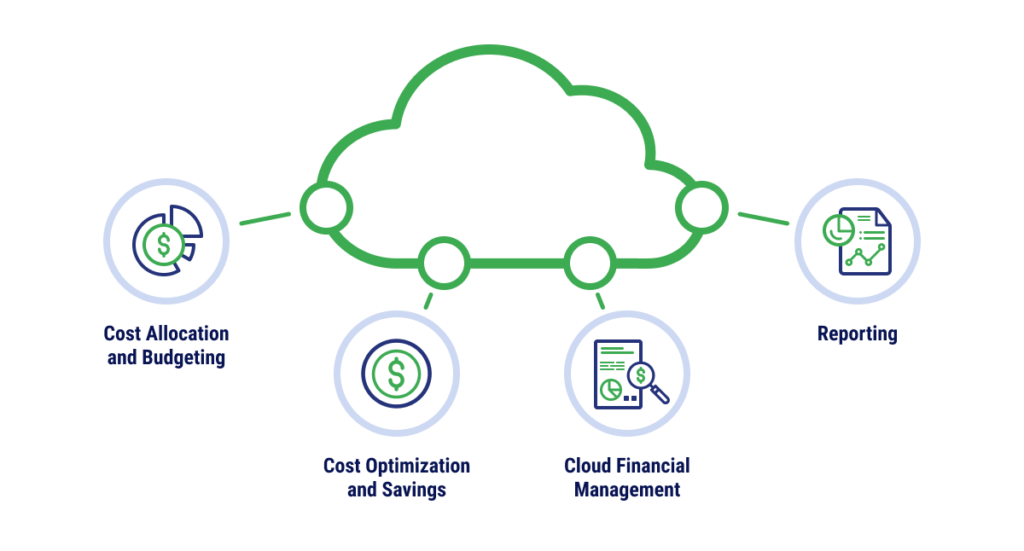
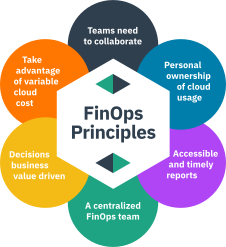
Financial operations, or FinOps, connects finance, engineering, and business teams around cloud cost management.
A strong FinOps model includes
- Real-time cost dashboards
- Department-level chargeback or showback
- Budget alerts and thresholds
- Cost forecasting tied to business plans
FinOps ensures analytics teams understand the financial impact of their design decisions.
Automation as a Cost Control Lever
Manual cost reviews cannot keep up with dynamic cloud environments. Automation plays a critical role.
Automation enables
- Scheduled shutdown of idle resources
- Automatic scaling based on workload
- Detection of anomalous spending
- Enforcement of cost policies
Automated controls reduce financial surprises and free teams to focus on value creation.
Governance Prevents Cost Leakage
Cloud cost issues often stem from governance gaps. Without clear ownership, teams deploy redundant resources and duplicate pipelines.
Governance should define
- Who can provision resources
- Approved service patterns
- Data retention rules
- Accountability for cost overruns
Data quality and governance programs support sustainable cost control. Explore validation and governance solutions at
https://dataguruanalytics.org/data-quality-validation-solutions
Measuring ROI from Cloud Analytics
Optimization is successful only when cost reductions do not compromise insight quality. Enterprises should track
- Cost per query
- Cost per dashboard
- Cost per data pipeline
- Business outcomes driven by analytics
When ROI improves, cloud analytics becomes an investment rather than an expense.
Real World Example
A global media company experienced rising cloud bills driven by streaming analytics. After implementing workload monitoring, storage tiering, and query optimization, the organization reduced analytics costs while improving dashboard performance.
The result was predictable spend and improved trust between finance and data teams.
Frequently Asked Questions
Does cost optimization limit analytics performance
No. Proper optimization improves performance by eliminating inefficiencies.
Is cloud cost management only for large enterprises
No. Small and mid-sized organizations benefit early by preventing uncontrolled growth.
How often should cloud costs be reviewed
Continuously. Real-time monitoring is more effective than monthly reviews.
Conclusion
Cloud cost management is essential for data-heavy enterprises that want sustainable analytics growth. By aligning infrastructure usage with business value, organizations control spending without sacrificing speed or insight quality. Strategic optimization turns cloud analytics into a financially disciplined engine for innovation.
Call to Action
Take control of your analytics spend with cloud architectures designed for efficiency and scale. Start your optimization journey at
https://dataguruanalytics.org/data-infrastructure-consulting and build cloud analytics that deliver value without waste.