
Introduction
Artificial intelligence is only as trustworthy as the data it learns from. As enterprises deploy AI across decision-making, personalization, risk assessment, and automation, the ethics of data collection have moved to the center of business policy. Customers, regulators, and employees now scrutinize how data is gathered, used, and protected. Ethical data collection is no longer a moral debate alone. It is a strategic requirement.
AI-driven enterprises that ignore ethics face reputational damage, legal exposure, and biased outcomes that undermine confidence. Those that prioritize ethical data collection build sustainable AI systems grounded in trust, transparency, and accountability.
Why Ethics Matters in AI Data Collection
Traditional analytics used historical records to describe the past. AI uses data to predict and influence the future. This shift amplifies ethical responsibility.
Ethical data collection matters because
- AI decisions affect real people
- Bias can scale instantly
- Errors can propagate automatically
- Data misuse erodes trust quickly
- Regulations are becoming stricter
When data is collected without care, AI systems reinforce inequality, discriminate unintentionally, and create outcomes enterprises cannot justify.
What Ethical Data Collection Means
Ethical data collection is not about collecting less data. It is about collecting the right data in the right way.
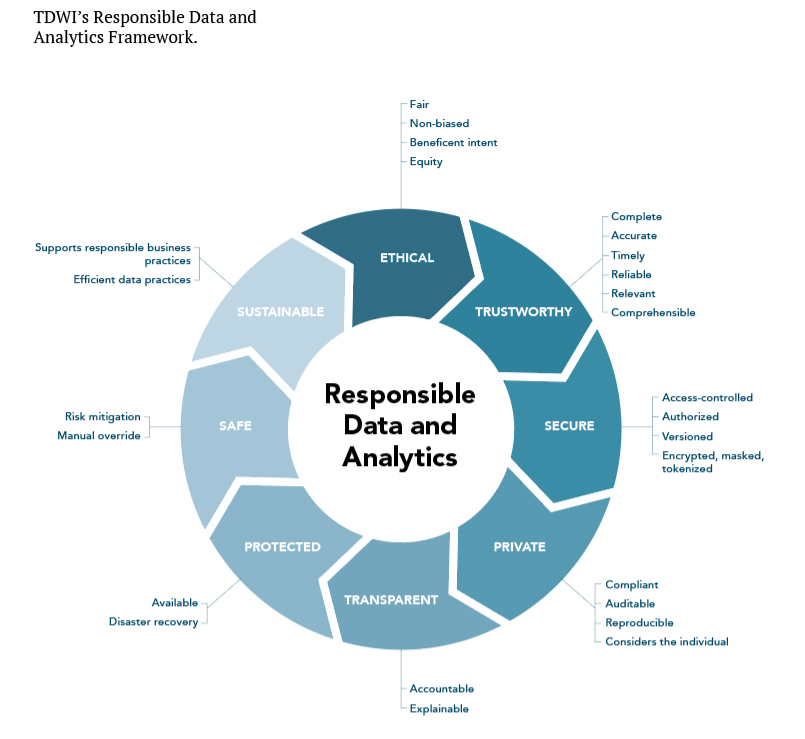
Core principles include
Consent and Transparency
Individuals must understand what data is collected and why. Consent should be clear, informed, and revocable.
Purpose Limitation
Data should be collected for specific, legitimate purposes and not reused irresponsibly.
Fairness and Inclusion
Data should represent populations accurately and avoid systematic exclusion or bias.
Accuracy and Quality
Poor data quality leads to unethical outcomes. Decisions based on incorrect data harm individuals and organizations.
Security and Protection
Collected data must be protected against unauthorized access and misuse.
Ethical Risks Unique to AI-Driven Enterprises
AI magnifies ethical risks because it operates at scale and speed.
Common risks include
- Hidden bias in training datasets
- Use of data without explicit consent
- Over-collection of personal information
- Repurposing data beyond its original intent
- Lack of explainability in automated decisions
Executives must recognize that ethical failures often emerge from data pipelines, not algorithms alone.
Governance as the Ethical Backbone
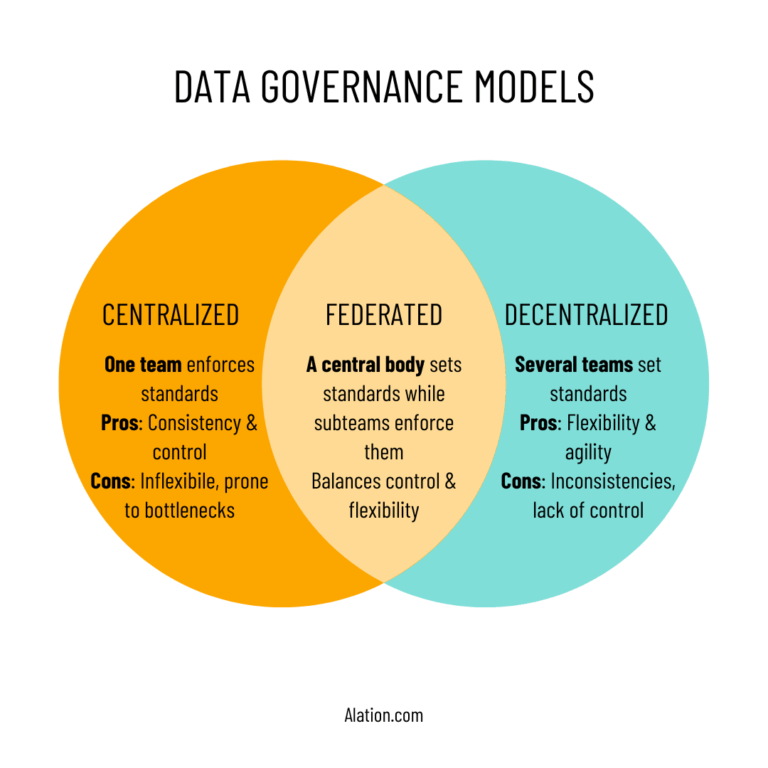
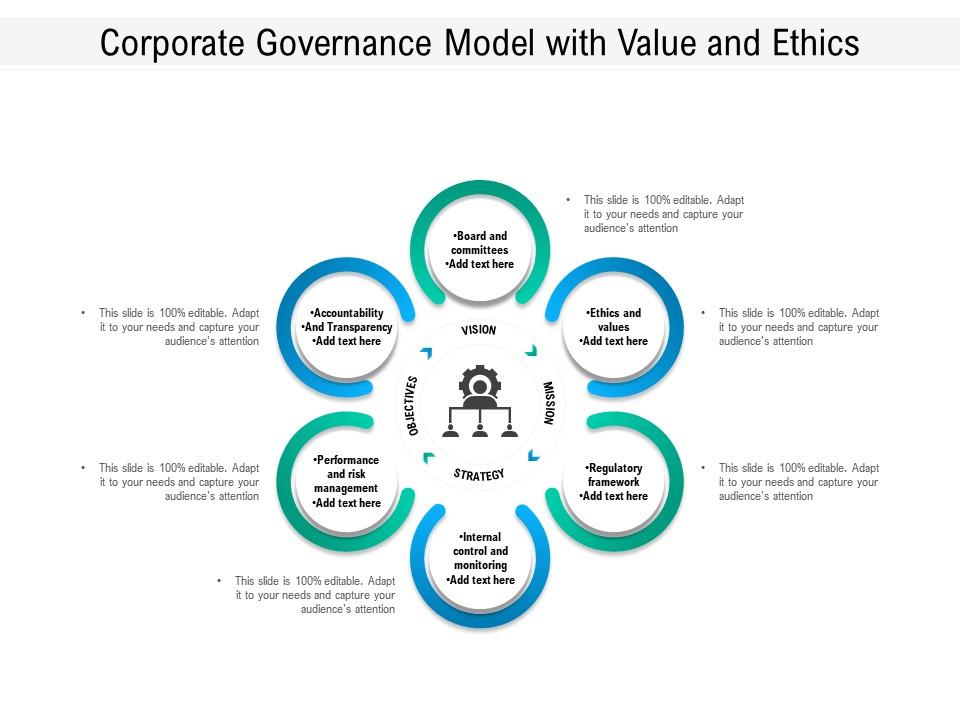
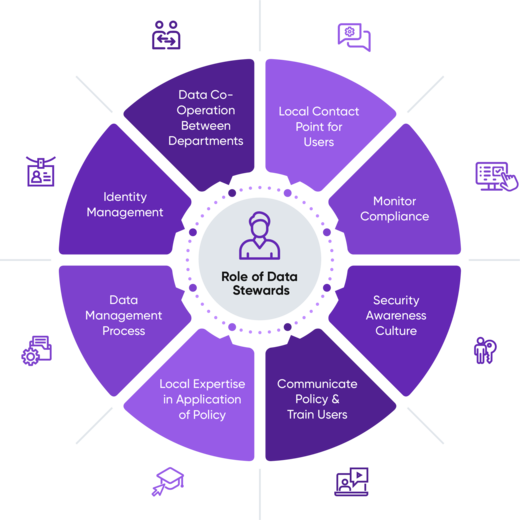
Ethical data collection requires governance frameworks that define boundaries and accountability.
Effective governance establishes
- Clear data ownership
- Approval processes for new data sources
- Standards for consent and usage
- Auditability of data flows
- Escalation paths for ethical concerns
Without governance, ethical responsibility becomes fragmented and inconsistent across teams.
Executives can explore governance and validation support at
https://dataguruanalytics.org/data-quality-validation-solutions
The Role of Architecture in Ethical Collection
Ethics is enforced through systems, not intentions. Data architecture determines whether ethical policies can be implemented consistently.
Ethical architecture includes
- Controlled ingestion pipelines
- Metadata capturing consent and purpose
- Role-based access controls
- Data minimization practices
- Retention and deletion automation
Enterprises that design ethics into architecture reduce reliance on manual enforcement.
Explore ethical ready architecture planning at
https://dataguruanalytics.org/data-infrastructure-consulting
Ethics and Regulatory Alignment
Ethical data collection aligns closely with global regulations. Frameworks such as GDPR, CCPA, and emerging AI governance laws reflect ethical principles codified into law.
Enterprises that embed ethics early
- Reduce compliance risk
- Adapt faster to new regulations
- Maintain market access
- Strengthen investor confidence
Ethics should be proactive, not reactive to regulation.
Building Ethical AI Cultures
Ethics cannot live only in policy documents. It must be reinforced culturally.
Leadership should ensure
- Ethical considerations are reviewed in AI projects
- Data ethics training is mandatory
- Teams are empowered to raise concerns
- Incentives do not reward harmful shortcuts
Culture determines whether ethical guidelines are followed or ignored.
Real World Consequences of Ethical Failures
Several organizations have faced public backlash after deploying AI systems trained on unethical data. Outcomes included discriminatory decisions, privacy violations, and loss of customer trust. These failures were not due to malicious intent but to neglect in data sourcing and governance.
Ethical data collection prevents such crises by addressing risks before deployment.
Frequently Asked Questions
Is ethical data collection expensive
No. Ethical failures are far more costly than prevention through governance and architecture.
Does ethical data collection limit innovation??
No. It creates sustainable innovation by ensuring AI systems can be trusted and scaled responsibly.
Who is responsible for ethical data practices
Executive leadership. Ethics cannot be delegated solely to technical teams.
Conclusion
Ethical data collection is foundational to responsible AI. Enterprises that collect data transparently, fairly, and securely build systems that earn trust and withstand scrutiny. Ethics is not a constraint on AI innovation. It is the condition that allows innovation to endure.
Call to Action
Build AI systems grounded in ethical data practices and governance. Begin with expert strategy and infrastructure design at
https://dataguruanalytics.org/data-infrastructure-consulting and ensure your AI initiatives are trusted, compliant, anfuture-readydy…