
Introduction
Enterprises rarely fail because they lack data. They fail because they misuse it.
Across industries, organizations invest heavily in analytics platforms, data teams, and dashboards, yet still make poor decisions that drain revenue and slow growth. The reason is not technology. It is avoidable mistakes embedded in strategy, execution, and culture.
These common analytics mistakes do not appear on balance sheets directly. They show up as missed opportunities, operational inefficiencies, customer churn, regulatory exposure, and delayed responses to market change. Over time, the cost reaches millions.
Mistake 1: Treating Analytics as Reporting
Many enterprises still use analytics to describe the past instead of shaping the future. Dashboards summarize what already happened but fail to guide decisions.
Reporting answers
What happened
Analytics should answer
What should we do next
When analytics stops at reporting, leaders react late and competitors move first.
Mistake 2: Building Dashboards Without Strategy
Dashboards often exist without a clear purpose. Teams track dozens of metrics simply because the data is available.
This creates
- Confusion instead of clarity
- Metric overload
- Conflicting interpretations
- Low executive adoption
Analytics must begin with business questions, not visualization tools.
Mistake 3: Ignoring Data Quality
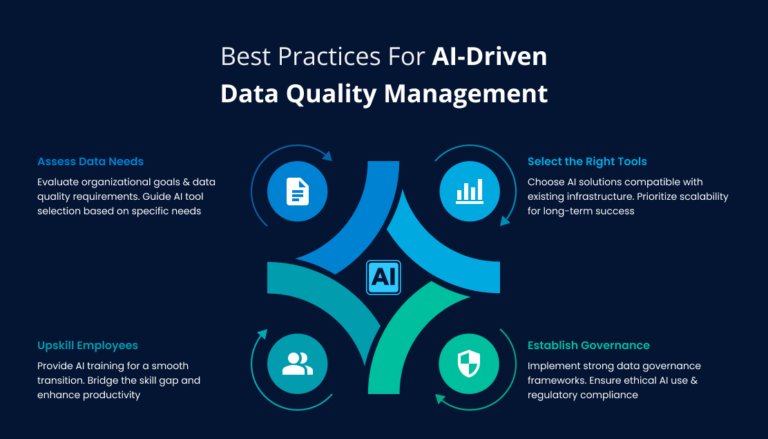
Poor data quality silently destroys performance. Inconsistent definitions, missing values, and manual data manipulation lead to decisions based on unreliable information.
Consequences include
- Incorrect forecasts
- Mispriced products
- Inaccurate risk assessments
- Loss of executive trust
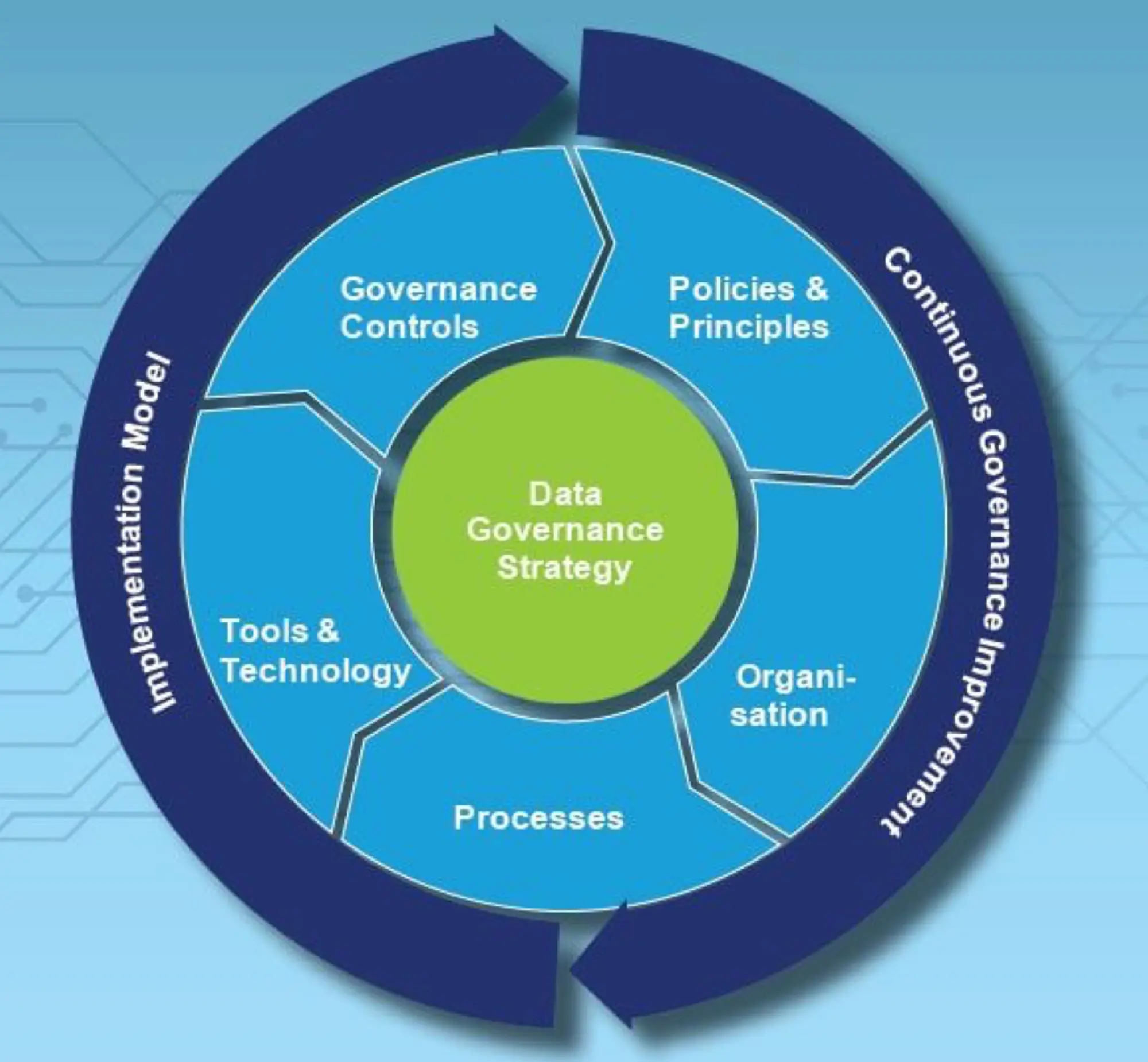
Enterprises that ignore data quality pay for it repeatedly. Strengthen validation and governance at
https://dataguruanalytics.org/data-quality-validation-solutions
Mistake 4: Operating in Data Silos
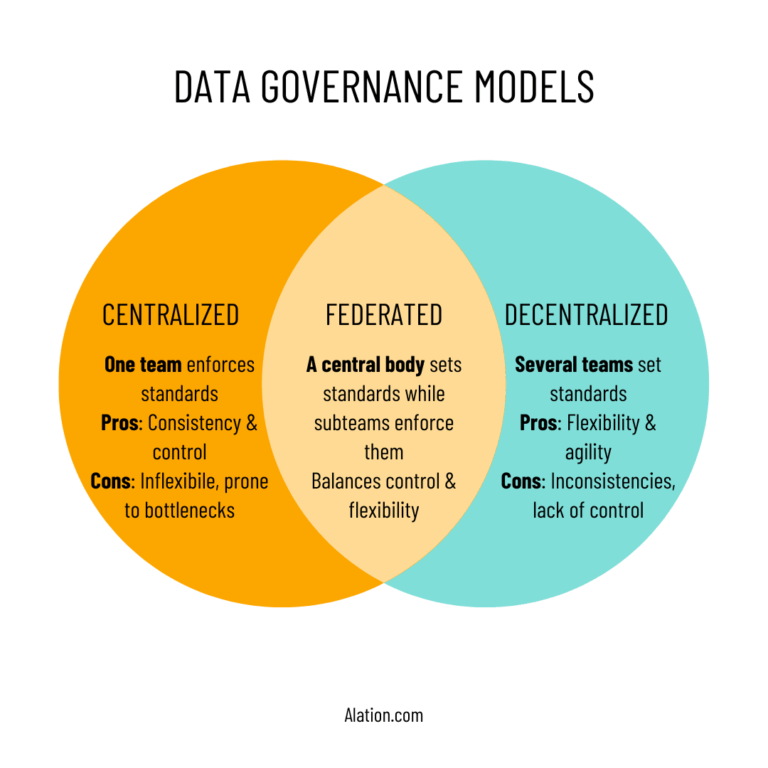
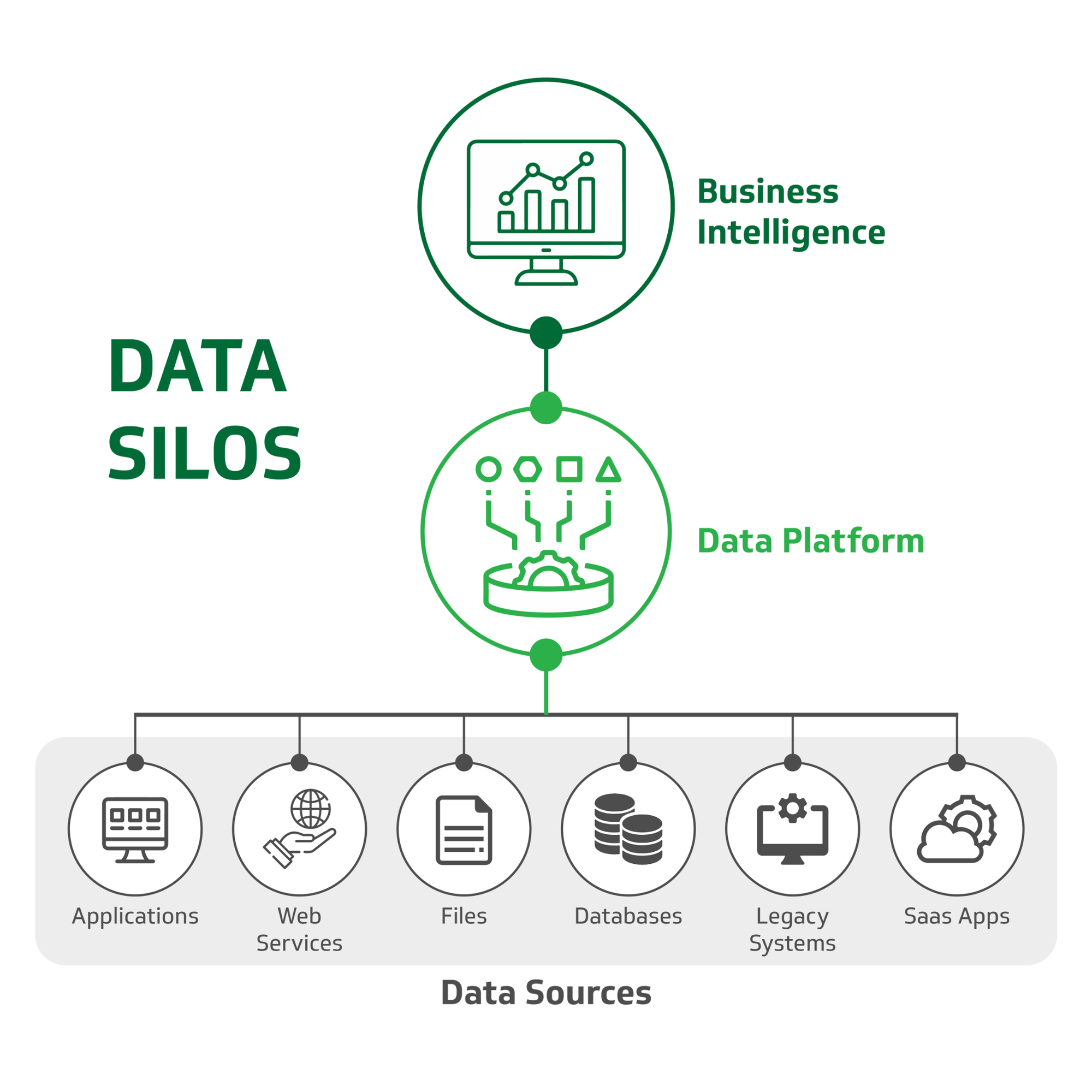
When departments maintain separate datasets and definitions, analytics becomes political. Sales, finance, and operations report different numbers for the same metric.
This results in
- Delayed decisions
- Endless reconciliation meetings
- Misaligned strategies
Silos are not technical issues. They are leadership failures that require unified governance and architecture.
Mistake 5: Overengineering Before Value
Some organizations pursue complex architectures before proving value. They build massive data platforms without clear use cases.
Symptoms include
- Long delivery timelines
- High infrastructure cost
- Low business adoption
Analytics should grow incrementally, guided by outcomes, not ambition alone. Strategic planning support is available at
https://dataguruanalytics.org/data-infrastructure-consulting
Mistake 6: Lack of Executive Ownership
Analytics initiatives fail when leadership delegates responsibility entirely to technical teams. Without executive sponsorship, priorities drift and accountability disappears.
Successful analytics programs require
- Clear executive ownership
- Defined success metrics
- Regular review of insights
- Accountability for data driven decisions
When leaders disengage, analytics loses direction.
Mistake 7: Failing to Act on Insights
The most expensive mistake is inaction. Enterprises generate insights but fail to operationalize them.
Insights that do not drive action
- Do not reduce cost
- Do not increase revenue
- Do not mitigate risk
Analytics must connect directly to workflows, policies, and decisions to deliver value.
The Financial Impact of These Mistakes
Each mistake compounds the others. Poor quality data feeds dashboards without strategy. Silos delay action. Overengineering inflates cost. Inaction wastes opportunity.
The financial impact appears as
- Lost revenue opportunities
- Higher operational costs
- Increased compliance risk
- Slower market response
- Reduced competitiveness
These costs rarely appear under analytics budgets, but they erode performance continuously.
How High Performing Enterprises Avoid These Pitfalls
Leading organizations approach analytics differently.
They
- Align analytics with strategy
- Prioritize data quality
- Break silos through governance
- Deliver incremental value
- Demand executive accountability
- Embed analytics into decision processes
Analytics becomes a performance engine rather than a reporting function.
Frequently Asked Questions
Are these mistakes common in large enterprises
Yes. Complexity increases the likelihood of misalignment and silos.
Can these mistakes be corrected without rebuilding everything
Yes. Most issues can be resolved through governance, alignment, and focused modernization.
How quickly can analytics performance improve
Meaningful improvements often appear within months when strategy and execution align.
Conclusion
Common analytics mistakes cost enterprises millions not through dramatic failures, but through daily inefficiencies and missed decisions. Organizations that recognize and correct these mistakes transform analytics into a competitive advantage. Data does not create value on its own. Decisions do.
Call to Action
Eliminate performance draining analytics mistakes and build systems that drive measurable outcomes. Begin with expert assessment and modernization planning at
https://dataguruanalytics.org/data-infrastructure-consulting and turn analytics into a true performance engine.