
Introduction
Enterprises no longer compete on products alone. They compete on speed, insight, and adaptability. At the center of this shift is the modern data stack. Organizations that rely on legacy reporting systems struggle with slow pipelines, inconsistent metrics, and delayed decisions. Those that invest in a modern data stack gain real time visibility, scalable analytics, and the ability to respond quickly to change.
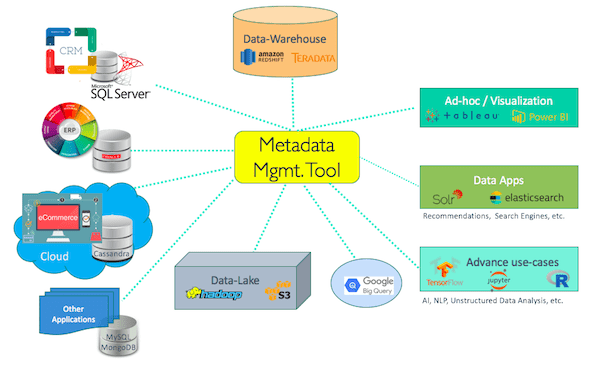
A modern data stack is not a single tool or vendor. It is a carefully designed ecosystem that integrates data ingestion, storage, transformation, analytics, and governance into one coherent system. Building it correctly determines whether analytics becomes a growth engine or an operational burden.
What Is a Modern Data Stack
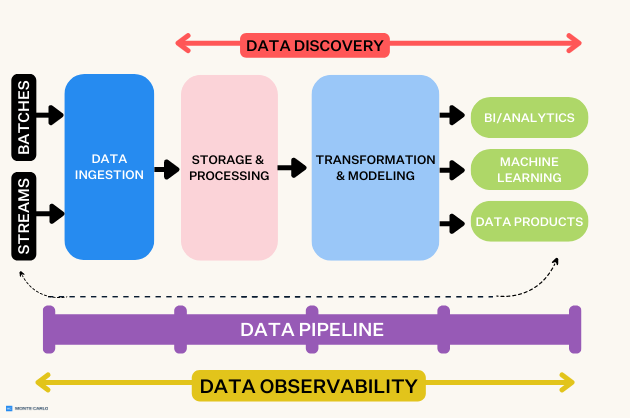
A modern data stack is a cloud centered analytics architecture that enables fast ingestion, scalable storage, automated transformation, and self service analytics. Unlike traditional stacks, it emphasizes flexibility, automation, and business accessibility.
Key characteristics include
- cloud native infrastructure
- modular tools
- automated pipelines
- governed access
- analytics ready datasets
The goal is not complexity. The goal is reliability at scale.
Step 1: Define Business Objectives First
Technology should never lead architecture.
Start by defining the business outcomes the data stack must support.
Examples include
- faster executive reporting
- real time operational insights
- improved forecasting accuracy
- regulatory compliance
- AI and machine learning readiness
Clear objectives prevent overengineering and guide tool selection.
Step 2: Identify and Prioritize Data Sources
Not all data is equally valuable.
Begin by mapping critical data sources such as
- transactional systems
- customer platforms
- operational tools
- financial systems
- external data feeds
Prioritization ensures early value delivery and manageable complexity.
Step 3: Design a Scalable Ingestion Layer
Ingestion pipelines move data from source systems into analytics platforms.
Modern ingestion supports batch and streaming workflows with automation.
Key principles
- reliability over speed
- fault tolerance
- monitoring and alerting
- minimal manual intervention
A weak ingestion layer undermines the entire stack.
Step 4: Choose the Right Storage Architecture
Storage is the backbone of the modern data stack.
Most enterprises adopt cloud data warehouses or lakehouse models for flexibility and scale.
Effective storage should
- support structured and semi structured data
- scale independently of compute
- integrate easily with analytics tools
- maintain cost efficiency
Storage choices should support future growth, not just current volume.
Step 5: Build Automated Data Transformation
Raw data is rarely analytics ready.
Transformation standardizes, cleans, and enriches data so it can be trusted.
Modern stacks use automated transformation pipelines that
- standardize metrics
- apply business logic
- handle schema changes
- reduce manual intervention
Automation increases reliability and consistency across teams.
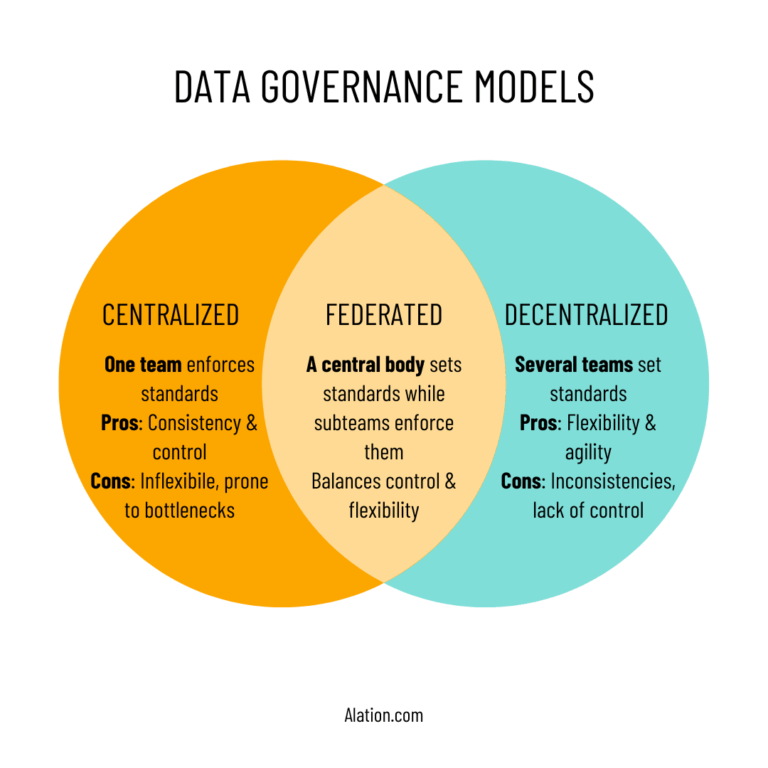
Step 6: Implement Strong Data Governance
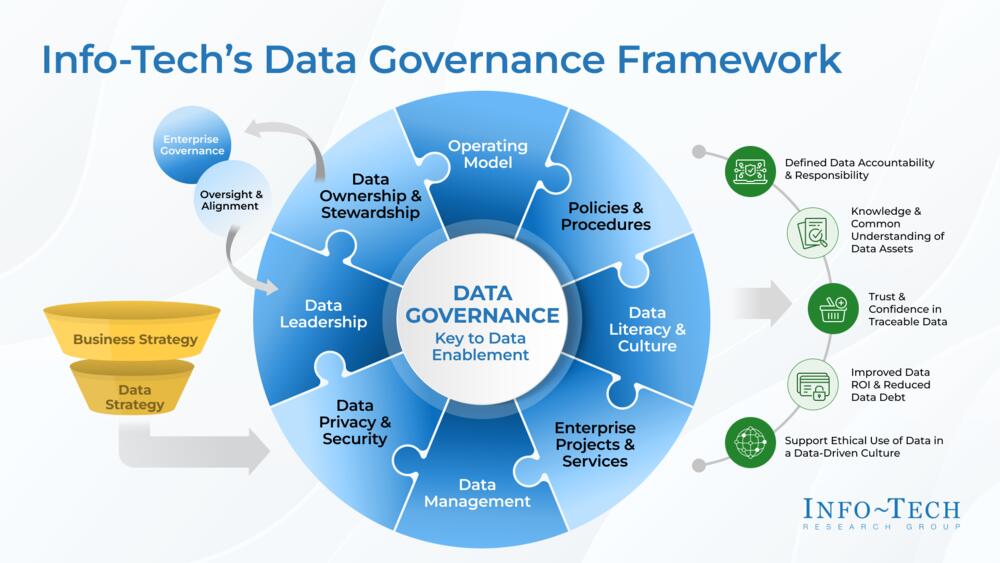
Governance determines whether the stack remains usable over time.
Without it, definitions drift and trust erodes.
Governance should include
- clear ownership of datasets
- standardized metric definitions
- access controls
- audit trails
- quality monitoring
Strong governance enables scale without chaos.
Step 7: Enable Self Service Analytics
A modern data stack empowers business users.
Self service analytics allows teams to explore data without constant engineering support.
Requirements include
- curated analytics datasets
- intuitive BI tools
- clear metric definitions
- role based access
Self service increases adoption and speeds decision making.
Step 8: Integrate Analytics and Visualization
Visualization transforms data into insight.
Dashboards should align with decision workflows, not vanity metrics.
Effective visualization
- highlights trends and anomalies
- supports strategic decisions
- avoids unnecessary complexity
- maintains consistency across teams
Analytics must drive action, not confusion.
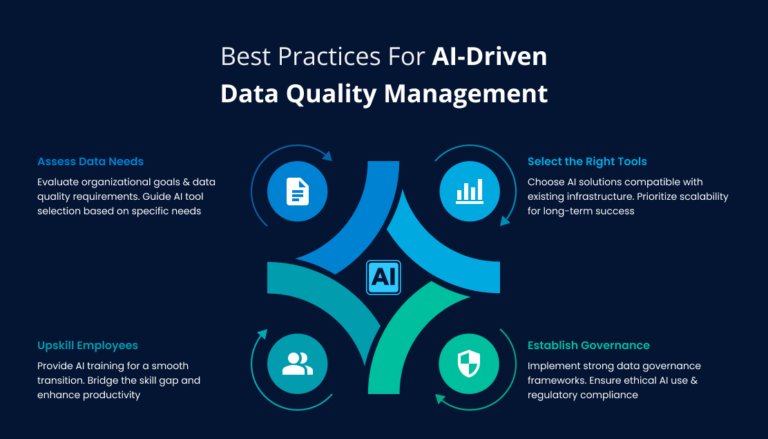
Step 9: Plan for Advanced Analytics and AI
A modern data stack should support predictive analytics and machine learning.
This requires
- high quality historical data
- scalable compute
- feature ready datasets
- governance for ethical use
Planning early prevents expensive rework later.
Step 10: Monitor Optimize and Evolve
A modern data stack is never finished.
Continuous monitoring ensures performance, cost efficiency, and reliability.
Ongoing practices include
- pipeline performance tracking
- cost optimization
- data quality reviews
- architecture updates
Evolution keeps the stack aligned with business growth.
Common Mistakes to Avoid
Enterprises often struggle by
- selecting tools before defining goals
- neglecting governance
- overengineering early stages
- ignoring cost visibility
- failing to involve business stakeholders
Avoiding these mistakes accelerates time to value.
Real World Impact
Organizations that implement modern data stacks experience
- faster insight delivery
- improved decision confidence
- reduced operational overhead
- stronger compliance posture
- readiness for AI driven analytics
The value compounds as adoption grows.
Frequently Asked Questions
Is a modern data stack only for large enterprises
No. Organizations of all sizes benefit from modular, cloud based analytics.
Does building a modern data stack require full migration
No. Hybrid approaches allow gradual modernization.
How long does implementation take
Initial value can be delivered within months when priorities are clear.
Conclusion
A modern data stack is the foundation of enterprise analytics success. By following a structured approach, organizations build systems that scale, adapt, and deliver insight consistently. The stack becomes a strategic asset rather than a technical burden.
Call to Action
Design and implement a modern data stack aligned with your business goals. Begin with expert planning and advisory support at
https://dataguruanalytics.org/services/research-consultancy/
and build analytics infrastructure that supports growth, agility, and long term performance.