

Introduction
Enterprises no longer struggle with lack of data. They struggle with knowing what their data means. Analytics teams often work with millions of records, yet no one can explain where they came from, how they were created or whether they are reliable. Metadata management solves this problem.
Metadata is not documentation or a glossary. It is the language that describes data. Without it, analytics is guesswork. With it, the enterprise becomes faster, more accurate and more confident.
Metadata transforms raw information into knowledge. It clarifies definitions, ownership, lineage and context. Executives who understand metadata management see immediate improvements in forecasting, compliance, reporting and AI performance.
What Is Metadata
Metadata is information about data. It describes structure, source, timing and purpose so decision makers know what they are working with. The most common types include
Business metadata
Definitions, KPIs, metrics, rules and context used by executives and business teams.
Technical metadata
Schemas, fields, ingestion schedules, pipeline steps and processing rules.
Operational metadata
Performance, access logs, quality scores and system behavior over time.
Metadata is not optional. It is the foundation of enterprise analytics.
Why Metadata Matters to Executives
Metadata enables scale. When teams understand data sources and logic, they can move faster without rework or political arguments about which number is correct.
Metadata management supports
- Self service analytics
- Standardized metrics
- Faster decision cycles
- Reduced dependency on engineering
- Consistent reporting across departments
Executives do not need to read metadata, but they must demand it. It is the only way to ensure stability as the business grows.
Metadata Protects Enterprise Trust
Organizations do not lose credibility because of technical failures. They lose trust when numbers contradict each other.
Metadata prevents this by establishing one version of truth.
A KPI such as Customer Lifetime Value must reference
- The exact calculation method
- The data source feeding it
- The time period covered
- Any filters applied
Without metadata, every department invents its own definition and executives end up managing opinions, not facts.
Metadata Makes Data Discoverable
Analytics teams waste enormous amounts of time searching for tables, APIs or dashboards.
A strong metadata system functions like a search engine for internal data.
Analysts can discover
- Which tables contain customer transactions
- When a dataset was last updated
- Who owns the pipeline
- How data should be interpreted
This eliminates dependency on tribal knowledge, Slack conversations and manual retracing of old projects.
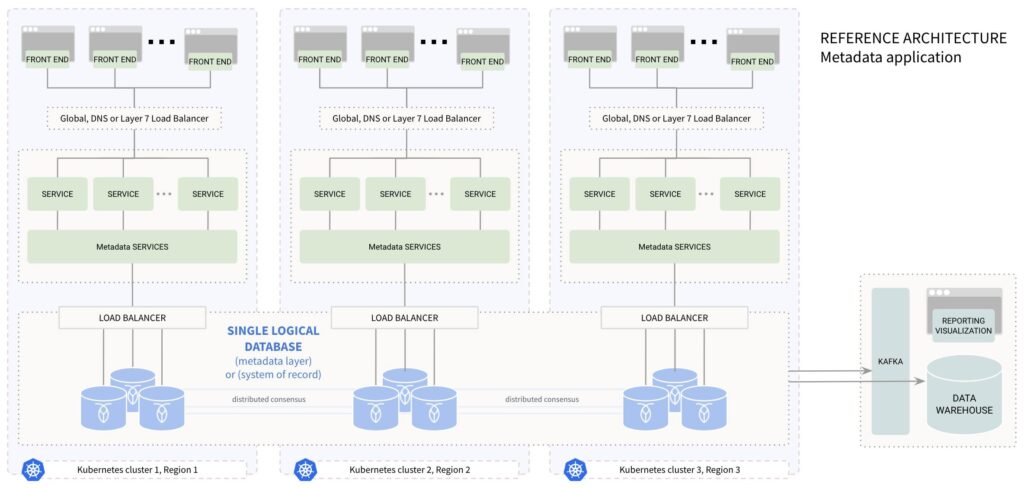
The Metadata Layer in Enterprise Architecture
Metadata is not an accessory. It is a core architectural layer.
A metadata layer should provide
- Global search across sources
- Column and table descriptions
- Ownership information
- Quality checks and history
- Lineage from raw data to KPI
Enterprises often implement metadata catalogs and governance tools to unify these capabilities. However, technology alone is not enough. Metadata must be integrated into workflows, planning and leadership expectations.
Metadata Enables Governance
Strong governance is impossible without metadata.
You cannot control what you cannot describe.
Governance needs metadata to
- Assign ownership
- Set access rules
- Enforce data retention
- Define quality standards
- Audit transformations
Executives who treat governance as paperwork will struggle. Executives who treat metadata as infrastructure will win.
Explore governance and validation approaches at
https://dataguruanalytics.org/data-quality-validation-solutions
Metadata Drives AI and Machine Learning
AI models do not understand context. They simply process numbers. If the numbers lack meaning, the models fail.
Metadata enables
- Training dataset validation
- Model explainability
- Feature tracking and documentation
- Ethical auditing of inputs
- Regulatory transparency
Without metadata, AI becomes unverifiable.
With metadata, it becomes predictable and compliant.
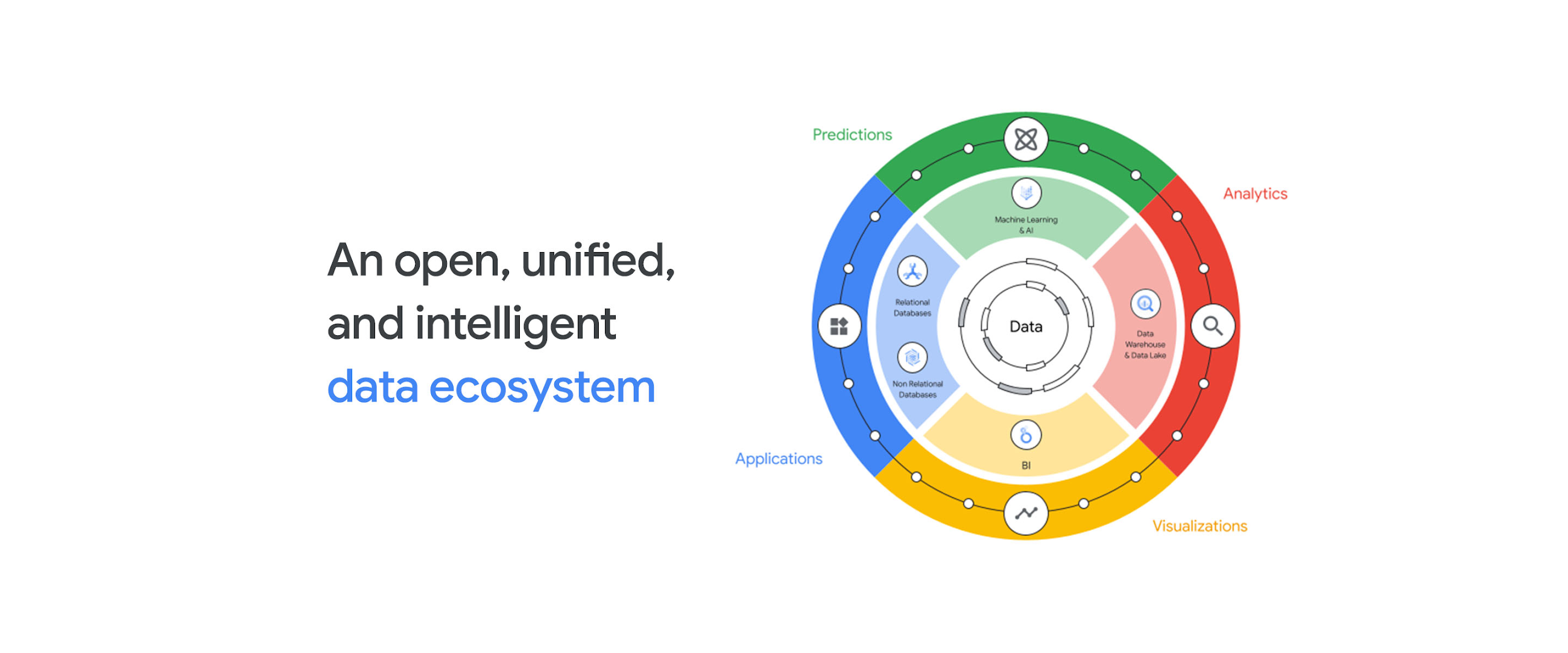
Metadata for Data Ecosystems
As organizations adopt hybrid and multi cloud analytics, metadata becomes even more important.
It ensures consistency when data flows through multiple platforms and tools.
A sustainable data ecosystem needs
- Automated metadata capture
- Standardized business definitions
- Pipeline lineage
- Quality scoring
- Central catalog visibility
Executives can explore consulting for ecosystem architecture at
https://dataguruanalytics.org/data-infrastructure-consulting
Common Metadata Failures
Enterprises routinely sabotage analytics by neglecting metadata.
Examples include
- Maintaining separate KPI definitions for each department
- Relying on spreadsheet documentation
- Storing data without lineage or timestamps
- Treating analytics tables like disposable exports
- Using dashboards without understanding how metrics are calculated
These behaviors create operational debt. The longer metadata is ignored, the more expensive the repair becomes.
Creating Executive Accountability
Metadata is a leadership issue.
Executives must set standards and enforce them.
They should require
- Clear KPI definitions before projects launch
- Ownership labels on datasets
- Documentation of pipeline transformations
- Visibility into metric lineage
- Evidence that numbers are traceable
Leadership does not have to write metadata, but it must protect it.
Frequently Asked Questions
Is metadata only important for data engineers
No. Metadata is essential for analysts, executives and compliance teams. Engineers simply maintain the system.
Does metadata slow analytics down
Metadata speeds analytics up by reducing ambiguity and rework.
Can metadata improve compliance
Yes. Metadata provides traceability and audit trails, which simplify regulatory reporting and risk management.
Conclusion
Metadata is not an accessory. It is the backbone of enterprise analytics. It gives data meaning, protects trust and accelerates decision making. Organizations that invest in metadata management do not rely on guesswork. They operate with clarity.
Call to Action
Build metadata systems that support governance and long term analytics success. Start with expert consultation at
https://dataguruanalytics.org/data-infrastructure-consulting and design enterprise data strategy with confidence.