

Introduction
Data has become the most valuable corporate asset in the modern economy. It shapes product strategy, revenue models, customer success, supply chain decisions and workforce planning. Yet many enterprises treat it as a technical commodity instead of a strategic ecosystem. Sustainable data management is no longer about databases or IT tasks. It is the foundation of innovation, operational stability and competitive advantage.
Executives who think in terms of ecosystems outperform those who focus on tools. A tool can break or become obsolete. An ecosystem adapts, evolves and continues to produce value even as technologies change. Building a sustainable data ecosystem requires intentional design, governance and a culture that views data as a shared source of truth, not a set of individual dashboards.
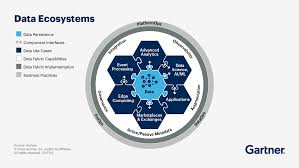
What Makes a Data Ecosystem Sustainable
A sustainable data ecosystem is built to support long term value creation. It moves beyond one time migrations, department specific dashboards and short term automation projects. Sustainability in analytics means three things.
1. Scalability
The ecosystem must handle increasing data volumes and new sources without redesigning everything.
2. Interoperability
Systems, teams and applications must communicate seamlessly rather than exist in silos.
3. Reliability
The ecosystem must deliver consistent insights without constant manual intervention.
Enterprises that meet these conditions create stability. They can launch new products without rearchitecting their analytics stack and scale into new regions without rebuilding pipelines.
Why Ecosystems Beat Tools
A tool solves a single problem. An ecosystem creates capabilities.
A dashboard may show revenue trends but an ecosystem will
- Identify the data source behind the trend
- Detect anomalies
- Feed forecasting models
- Deliver alerts to the sales team
- Automatically adjust lead scoring
Tool based thinking is a cost. Ecosystem thinking is an investment.
The Infrastructure Foundation
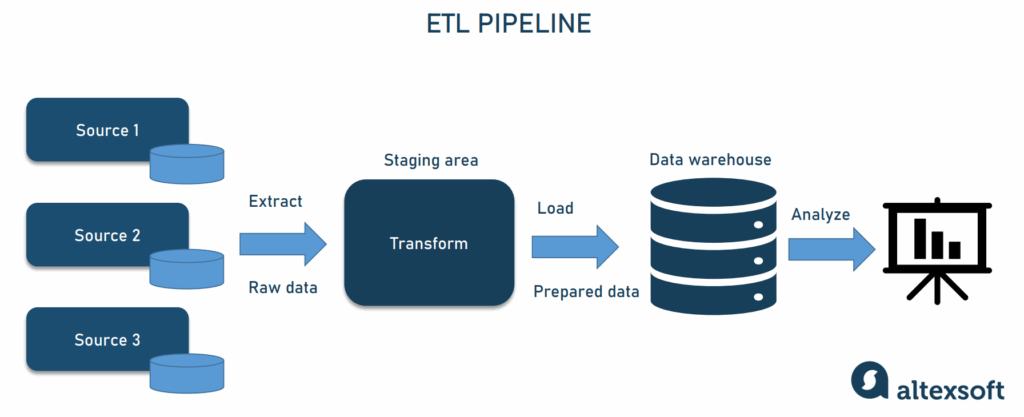
Sustainable data ecosystems begin with modern architecture. Legacy warehouses, local servers and manual ETL scripts cannot scale with enterprise realities. Businesses need infrastructure that is flexible, cloud ready and capable of supporting real time workloads.
Cloud and Hybrid Environments
Most global organizations now adopt hybrid and multi cloud models. They allow cost control, compliance and accessibility while giving the business options.
Cloud environments also improve elasticity so compute power rises and falls with demand instead of being fixed.
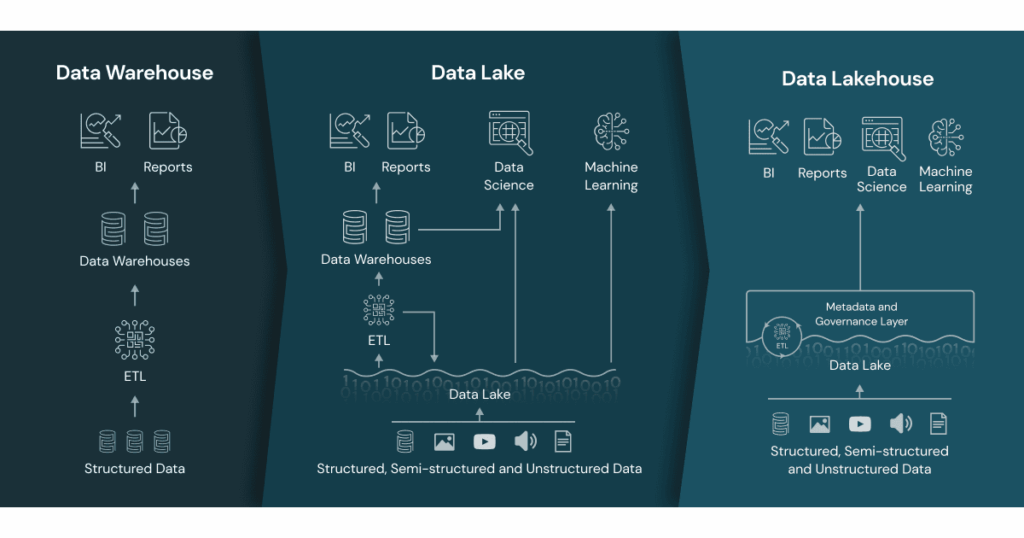
Lakehouse Architecture
Lakehouse models unify raw and structured data. They reduce storage cost and simplify analytics for both BI and machine learning. Instead of copying data across systems, a lakehouse centralizes access without sacrificing performance.
Explore modernization and architectural planning at https://dataguruanalytics.org/data-infrastructure-consulting
Governance Is the Operating System
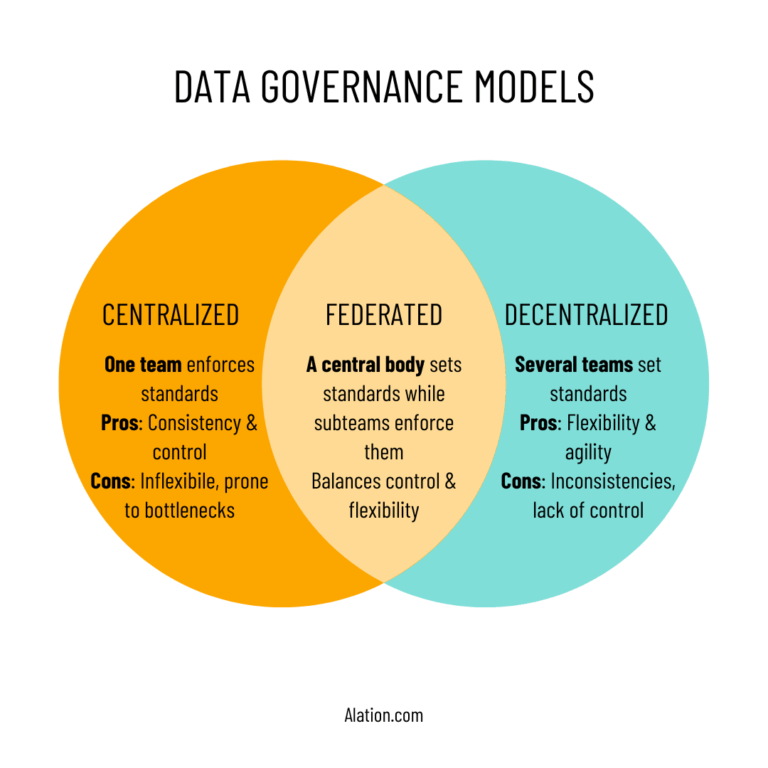
Governance is not a checklist. It is the backbone of a sustainable ecosystem. Companies fail when governance is an afterthought or a compliance burden. Proper governance defines roles, data access, quality ownership and decision rights.
Strong governance clarifies
- Who can access what data
- How data should be used
- Where data should live
- When data must be updated
- Why specific metrics are considered authoritative
Governance prevents political battles between business units. It establishes one version of truth and eliminates the cycle of conflicting reports that erode trust.
Executives who adopt enterprise data governance early outperform those who postpone it. Governance reduces risk, legal exposure and operational waste. See quality and verification approaches at https://dataguruanalytics.org/data-quality-validation-solutions
Automation Ensures Longevity
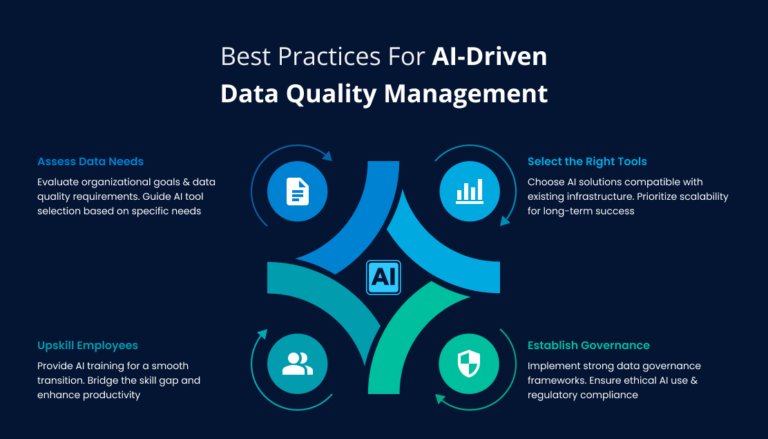
Sustainable ecosystems do not require manual labor to keep them alive. They support automation at every layer.
Data ingestion
Automated pipelines remove the need for nightly CSV uploads or manual data pulls.
Validation
Rule based or AI assisted validation detects anomalies before analytics teams see them.
Metadata tracking
Automated cataloging is essential so teams understand the origin and meaning of each metric.
Monitoring
System health, throughput and error rates should be visible at all times.
Enterprises that automate reduce operational cost and protect institutional knowledge. When senior analysts leave, the system remains intact.
The Human Factor
Data ecosystems fail not because technology is weak, but because organizations resist change. Sustainable data management requires cultural alignment.
Executives must set expectations that
- Insights inform decisions
- Data literacy is mandatory
- Intuition must be validated
- Analytical accountability is a leadership trait
A data driven culture is not about dashboards. It is about behavior. Teams should request evidence before approving budgets, launching products or entering new markets. The C suite must model this discipline.
Avoid Short Term Fixes
One of the most common failure patterns in enterprise analytics is solving a problem with a tool instead of a system.
Examples include
- Adding a dashboard to fix reporting delays
- Hiring contractors to clean monthly data
- Launching a one off cloud migration
- Purchasing expensive software before governance
These approaches create temporary relief but they do not scale. They force analysts to patch the same issues repeatedly.
A sustainable ecosystem treats root causes. Poor data quality is resolved through validation automation, not spreadsheets. Slow analytics is resolved through architecture, not last minute dashboard hacks.
Executive Use Cases
The best strategy is grounded in outcomes. According to research from Deloitte and McKinsey, enterprises that invest in sustainable data ecosystems experience faster recovery from market shocks, better pricing accuracy and more successful digital product launches.
Executives benefit because
- Planning shifts from speculation to precision
- Revenue models are tested against live data
- Supply chains are optimized with real time signals
- Customer journeys are defined by measurable truth
These outcomes are not theoretical. They are operational realities in companies that view analytics as infrastructure, not decoration.
Frequently Asked Questions
Is sustainability only about cloud cost
No. It is about resilience, architecture, governance, automation and cultural adoption. Cloud is one component, not the entire solution.
Is a sustainable ecosystem more expensive to build
Initial investment can be higher, but operational cost drops dramatically as automation replaces human labor and as systems scale without rework.
How does sustainability affect AI initiatives
AI requires consistency. If data pipelines are unstable, AI models degrade. Sustainable ecosystems feed reliable training data and maintain model quality over time.
Conclusion
Sustainable data ecosystems give enterprises durability. They allow leaders to grow without rebuilding core systems and innovate without losing cohesion. They convert analytics into a continuous advantage rather than a series of temporary fixes. The organizations that invest in ecosystem thinking will dominate markets because their decisions will be faster, clearer and grounded in truth.
Call to Action
Design a sustainable data ecosystem that supports long term growth. Begin with expert guidance at https://dataguruanalytics.org/data-infrastructure-consulting and turn your data into a competitive asset.