

Introduction
Data analytics is evolving beyond traditional cloud and on premise systems. As enterprises demand faster insights and real time responsiveness edge computing has emerged as a transformative approach. Instead of sending every data point to centralized servers edge analytics processes information at or near the source. This reduces latency lowers network strain and unlocks quicker decision cycles.
Industries such as manufacturing healthcare logistics automotive and telecommunications already rely on edge based intelligence to increase efficiency and minimize risk. Edge analytics is no longer an experimental trend it is a core capability in modern data infrastructure.
What Is Edge Computing
Edge computing refers to processing data close to where it is generated whether on devices sensors gateways or local servers. Instead of forwarding raw data to the cloud for computation edge devices perform initial analytics filtering and transformation.
This approach provides benefits such as
- Faster processing
- Lower bandwidth usage
- Better reliability during network disruptions
- Immediate decision support
Why Edge Analytics Matters
Real time operations depend on speed. Every second of delay leads to inefficient performance or even safety issues. Edge analytics delivers immediate insights that centralized systems cannot achieve due to network distance.
Examples include
- Autonomous vehicles adjusting to road conditions instantly
- Factory sensors responding to equipment failures
- Smart retail systems optimizing customer interactions
When milliseconds matter edge systems outperform cloud only analytics.
Enterprise Advantages
Edge analytics offers strategic benefits for modern organizations.
Reduced latency Insights are available instantly without waiting for cloud round trips.
Cost optimization Less data is transmitted to cloud storage which lowers recurring data transfer and compute charges.
Resilience Local processing continues even when connectivity is unstable.
Better security Sensitive information remains near the source reducing exposure across networks.
Key Use Cases
Edge analytics is widely used across high performance industries.
Manufacturing Predictive maintenance and machine telemetry operate at machine level speed.
Healthcare Medical devices process patient signals locally for faster diagnosis support.
Transportation Fleet monitoring and traffic intelligence rely on edge sensors.
Retail Smart checkout systems and inventory tracking use localized analytics.
Architectural Principles
Designing edge analytics infrastructure requires careful planning.
- Prioritize decentralized data processing
- Adopt modular systems that scale across devices
- Minimize unnecessary transmission of raw data
- Integrate cloud as a secondary analysis layer
- Implement remote monitoring and update capabilities
Edge does not replace cloud. It complements it by handling time sensitive insights while the cloud manages historical analysis and large scale aggregation.
Best Practices
To implement edge analytics effectively
- Choose hardware that aligns with workload requirements
- Use lightweight models optimized for limited compute
- Standardize communication between edge nodes and cloud
- Implement strong device authentication and encryption
- Monitor edge performance continuously
Frequently Asked Questions
Does edge computing replace cloud analytics No. Edge complements cloud by delivering immediate insights while the cloud handles long term modeling and large scale storage.
Is edge computing only for large enterprises No. Even midsize organizations adopt edge to reduce cost and enable faster decision cycles.
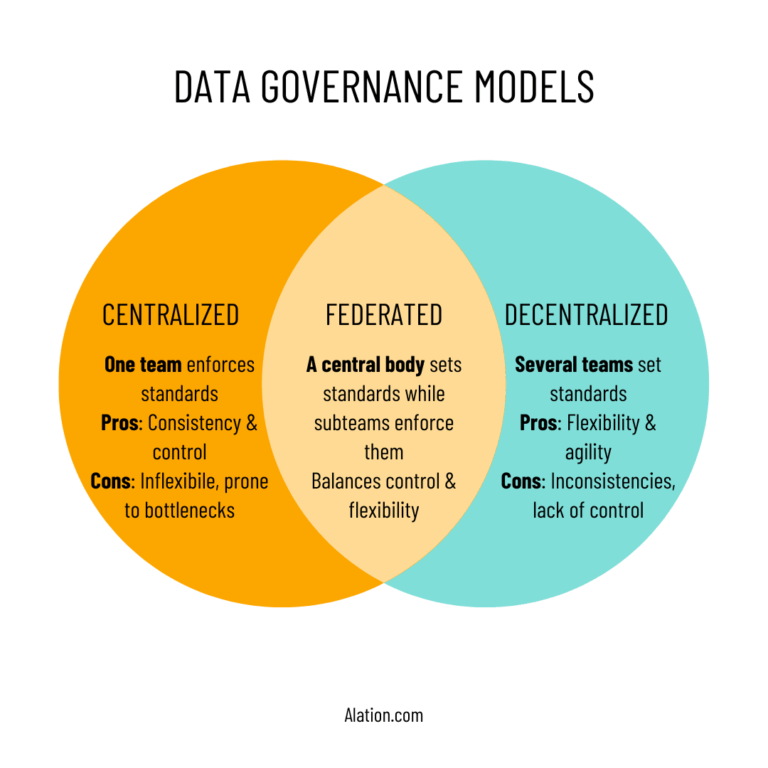
What limits edge analytics adoption Operational complexity hardware cost and talent gaps can slow adoption but strong governance makes implementation easier.
Conclusion
Edge computing transforms data analytics by moving intelligence closer to where data is created. Enterprises that adopt edge strategies gain speed reliability and competitive advantage. The combination of edge and cloud enables analytics ecosystems capable of supporting real time operations and long term growth.
Call to Action
Modernize your analytics architecture with edge computing. Visit https://dataguruanalytics.org/data-infrastructure-consulting to design and deploy intelligent edge systems for your enterprise.